Global trade needs more supply diversity: IMF
22:33
Amid rising concerns regarding global economic fragmentation and “friendshoring” following the war in Ukraine, the IMF analysis also shows that greater diversification and substitutability in inputs can enhance resilience. While corporate decisions will predominantly shape the future resilience of global value chains, government policies can help by providing a supportive environment and lowering the costs.
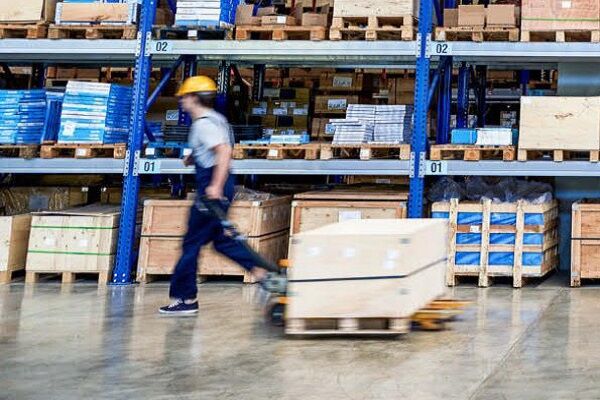
“One obvious area is improved infrastructure. The pandemic has shown that infrastructure investments in certain areas are critical to mitigate supply disruptions related to trade logistics. For example, upgrading and modernizing port infrastructure on key global shipping routes would help reduce global chokepoints. Better digital infrastructure to facilitate telework can also help mitigate spillovers to other countries,” the report reads.
Governments can also help to make information more widely available, so firms can make more strategic decisions. For example, automobile manufacturers on average conduct business directly with about 250 Tier1 suppliers, but this number rises to 18,000 suppliers in the full value chain. Improving access to information on inter-firm transactions and supply chain networks, by for example, digitalizing firms’ document filings, such as tax returns, can be helpful, especially for smaller firms with fewer resources.
“Finally, reducing trade costs can help diversify inputs. There is room to reduce non tariff barriers, which would give a significant medium-term economic boost, especially in emerging markets and low-income developing countries. In addition, reducing trade policy uncertainty, and providing an open and stable, rules-based trade policy regime, can support greater diversification,” IMF experts stated.
(WBJ)