



A gated community
13:18
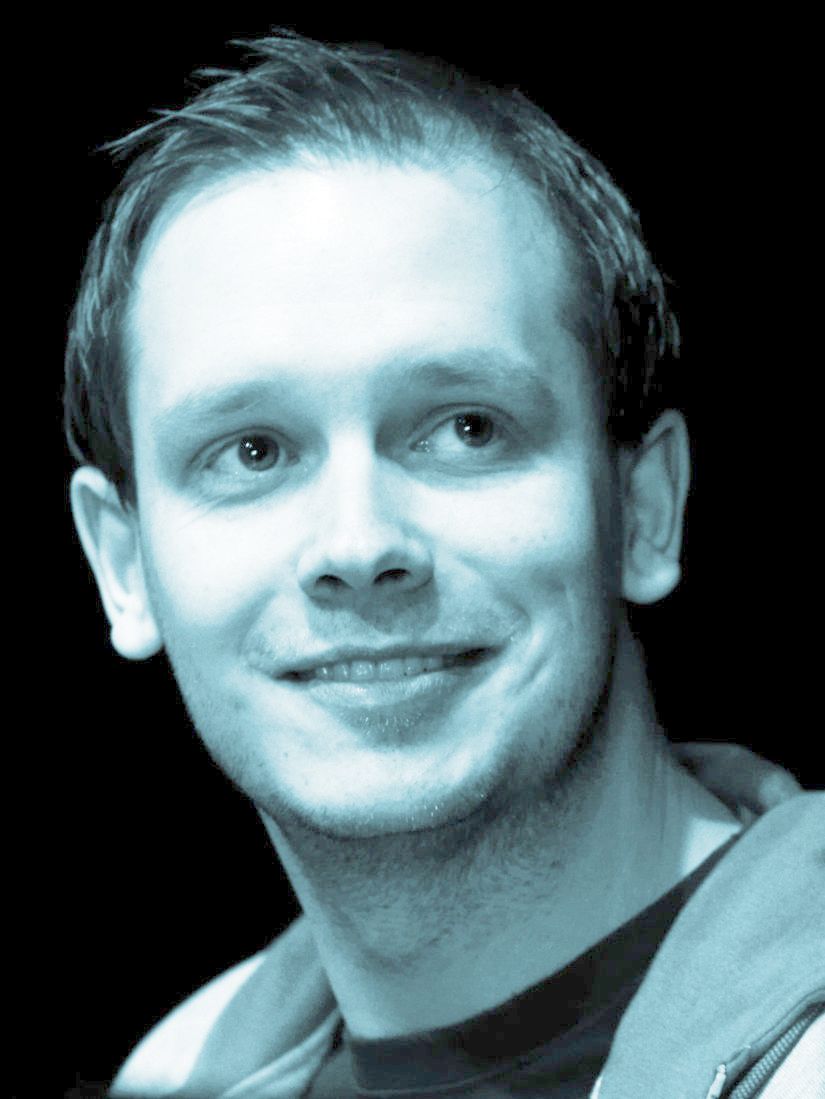
The internet may have once been used for a free flow of information, but it is becoming increasingly monopolized, with a handful of corporations in charge of all of our data.
WBJ Observer talked to Peter Sunde Kolmisoppi, co-founder of the highly controversial torrent search engine The Pirate Bay, hacker and activist, about the future of the internet and media Interview
by Beata Socha
WBJ Observer: What prompted you to create The Pirate Bay?
Peter Sunde Kolmisoppi:
For us it was fun and it was about trying out new technologies, as well as to providing a place for Scandinavian people to share files. There was no big mastermind plan behind it.
The website has changed its address many times. Why?
It always gets censored in every country.
How has the internet changed over the past ten years, since the early days of The Pirate Bay?
It has changed from being very open and decentralized to being very closed-down and centralized. People do not talk much about the internet itself. They talk about being on Facebook, Tumblr or Twitter, but not about the internet, and it has changed tremendously over the years. From a doorway that is open to anyone, it has become more and more like a gated community. You can’t leave or enter without permission.
That doesn’t sound too optimistic. What do you expect the internet to be like in 10 years’ time?
Even worse. A lot of fiber cables are owned more and more by the same companies, so the ownership of the infrastructure is more and more centralized. The ownership of our data is also increasingly centralized, with Facebook buying Whatsapp and Instagram, and they are likely to buy more companies. I think we’re going to end up with three or four super-companies that are going to own 95 percent of our internet.
Can the problem be solved? Should the internet have more anti-monopoly oversight?
The regulations that are being put in place determine what we cannot do on the internet instead of defining our rights as users. Finland is the only country where the internet was made a human right. It is a human right to have access to the internet. We should do that in all EU countries. Besides, we should make sure we have an understanding of what the internet means. Ownership of the internet should be more local or regional. Just like with roads. You wouldn’t allow a road, say a highway, to be owned by a company. Whether or not you are against a class society, we all understand that basic infrastructure should be open to everyone. That is not happening, instead it is being monopolized.
Is there anything that governments can do to prevent data monopolization?
If governments were more hardcore, they would. But they’re not. It would be good if the EU said, for example, that your data is owned by you, and a corporation can only post it for you. But if you want, you can freely take it to another provider. Regrettably, that’s not going to happen because companies like Facebook simply have too much power already.
How do you respond to the accusation that The Pirate Bay promotes stealing?
Stealing means taking something from someone and preventing them from using it. By definition, sharing cannot be stealing. It’s a violation of license, a civil type of case, not criminal. Also, what we see is that there is a correlation between how much people copy things and how much money they spend on media. The more they copy, the more the industry makes. So the argument doesn’t hold. For me, personally, I don’t care about the entertainment industry, I care about culture. Culture is what connects people all over the world.
Do you think that services such as Netflix will render peer-to-peer file transfer obsolete?
In some cases it will. In most countries, however, society isn’t wealthy enough for everyone to afford such services. Besides, Netflix has a really bad service in many poorer countries. But where and when it does limit peer-to-peer activity, it will widen the gap between those who have access to culture and those who don’t, and lead to even more of a class society.


