Fake news is often spread accidentally
13:27
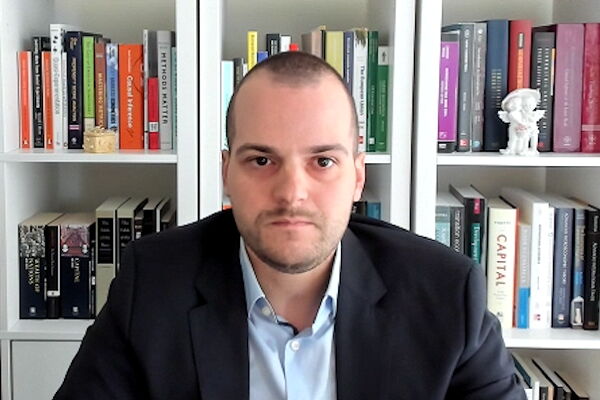
False information is now more often spread accidentally, by people who believe it to be true, rather than intentionally to disseminate disinformation, according to a survey conducted in Germany and the United Kingdom by scientists from Utrecht University, Zayed University in Dubai, and the Dresden University of Technology. The researchers also examined which groups are better at recognizing fake news. Older men with high incomes and left-wing views performed the best in recognizing fake news, while men with right-wing views were the most likely to pass on false news. The research findings can help properly direct information campaigns on the harmfulness of fake news.
"Sharing fake news is quite dangerous because, as we have observed during the COVID-19 pandemic, there has been a lot of misinformation about the harmfulness of vaccines, while research indicates that vaccines are safe. Such information can have an impact on society when making important health decisions. Moreover, it can be dangerous to spread content of a racist or misogynistic nature about various ethnic or gender minorities. These false pieces of information can fuel misconceptions about many social groups, to the detriment of both the economy and society as a whole," Deni Mazrekaj, a sociology assistant professor at Utrecht University, explained.
(Newseria)