Logistics of grand challenges
09:29
According to the report “Transport of the future - prospects for road transport development in Poland 2020-2030” prepared by PwC and TLP, it is estimated that the Polish market is currently short of about 200,000 drivers. The shortage is due to the dynamic growth in handled volumes, among other things. The total growth in tonnage handled by Polish carriers between 2018 and 2022 is 22.8%. The deficit in the labor market drives up wages, which in turn translates into higher costs for carriers. The next burden is undoubtedly the introduction of the second part of the EU Mobility Package and the revised Posted Workers Directive. Additionally, the war in Ukraine has led to an exodus of drivers who have returned to fight in the Ukrainian Army and Territorial Defense. With the existing driver shortage, this phenomenon has a huge impact on maintaining the continuity of supply chains. Due to shortages in our labor market, about 100,000 people from Ukraine have been employed as drivers in international transport. Tens of thousands have decided to leave Poland and return to their homeland overnight. Many carriers have been left without any staff.
Resource shortages are a huge challenge. It is crucial to create stable, regular routes for drivers to increase the number of people willing to take on this role professionally thanks to the predictability of work. Partnering with customers, combining volumes from different customers, and implementing new volumes according to optimization priorities is particularly important today. In order to optimize drivers' working time, at Fresh Logistics we have introduced the Drop&Drive solution which means that after unloading, the driver does not have to wait for documents, he just drives away and relevant documents are collected by another driver who arrives with the delivery next day.
In our company we organize a number of initiatives aimed at recognizing the role of drivers, drawing inspiration from the Netherlands, where Raben Group originated from. In the Netherlands, drivers are treated with great respect, as a public service on par with doctors or police officers. We want to promote this approach also in Poland. Designated social areas for drivers or outdoor gyms are being built in our terminals. Last year, we became a partner in the Responsible Trucking Initiative which aims to implement higher social standards that translate into better working conditions for truck drivers.
It's worth mentioning that problems related to HR are not just about drivers, but also about warehouse workers. Staff shortages at central warehouses result in queues and extended unloading times, especially during volume peaks. What's more, over a dozen years ago we had an average of about 24 hours to make a delivery. Now, we often pick up goods from manufacturers in the afternoon and have to deliver them to chain stores early the next morning. It is therefore not uncommon to have 12 hours, sometimes even less, to make a delivery.
Rising labor costs combined with a difficult global financial and political situation translate into higher prices for logistics services and ultimately more expensive products on the store shelf. Add to this the growing demands from retail chains and final consumers and we can safely say that logistics needs really good logistics to meet these challenges. It is also inevitable that rates will need to be reviewed frequently due to the highly dynamic market conditions.
How a logistics operator handles today's challenges is a product of many factors. The larger the scale of provided logistics operations, the more diversified they are, the more innovative the approach to the services provided, the more motivated and loyal the employees are, and the more likely it is to successfully face the emerging challenges.
In 2015, we asked ourselves at Fresh Logistics what strategy to take so that despite possible future yet undefined difficulties, our customer remains satisfied. In the case of the logistics services sector, the key factor influencing customer satisfaction is the high quality of provided services expressed in the timeliness of deliveries. Our response to the expectations of timeliness is the “Better Everyday” business improvement program that has been in place at Fresh Logistics for years. The program is based on lean management. Our strategy is to do things not faster, but smarter. Together with our customers and business partners, we analyze processes in terms of their complexity, transparency, standardization, and possible waste. For this purpose, we organize workshops, ask customers for their opinion and cooperate with external consultants in order to look holistically and objectively at the supply chain and analyze those elements of the process that occur not only in our company but also at our partners.
Flexibility, speed, cost-effectiveness and data reliability are expected of a logistics operator handling fresh food products today. In order to meet these expectations, logistics companies are investing in the digitalization of their processes, which results in paperless logistics and the use of RPA (Robotic Process Automation). Paperless aims to eliminate traditional paper documents and shift to Electronic Data Interchange (EDI). The Paperless initiative at Fresh Logistics is carried out in cooperation with GS1 Polska. The other participants are also our customers: manufacturers and retail chains. We are working to eliminate paper documents from the logistics process. Several elements of this process are already in place, others are being developed and will be implemented in 2022. Paperless logistics benefits not only Fresh Logistics and our partners, but also the entire market.
Another important element of digital transformation is the increasingly common use of RPA in our processes, i.e. software robots that support or replace the work of users in particular applications, e.g. WMS, TMS or at the interface between IT systems. Robots operating in our company edit shipments and fill in various statuses, accept orders from external platforms and create orders for them in our systems. They validate data between systems. The time gained by automating repetitive processes creates the opportunity to work on conceptual tasks with high complexity and higher customer value.
Given the above, the question arises: are optimization processes, the latest technologies, and intensive efforts by HR departments sufficient to ensure efficient and timely delivery?
No system, no technology, and no optimization project will bring results if the individual links of the supply chain, i.e., manufacturers, logistics operators and customers, do not cooperate and holistically look at the path of the product from the factory to the final consumer. Each link is an individual unit with its own conditions, limitations and working style. But within this individualism, there must be room for mutual cooperation, support and trust above all, without which effective optimization would have no chance.
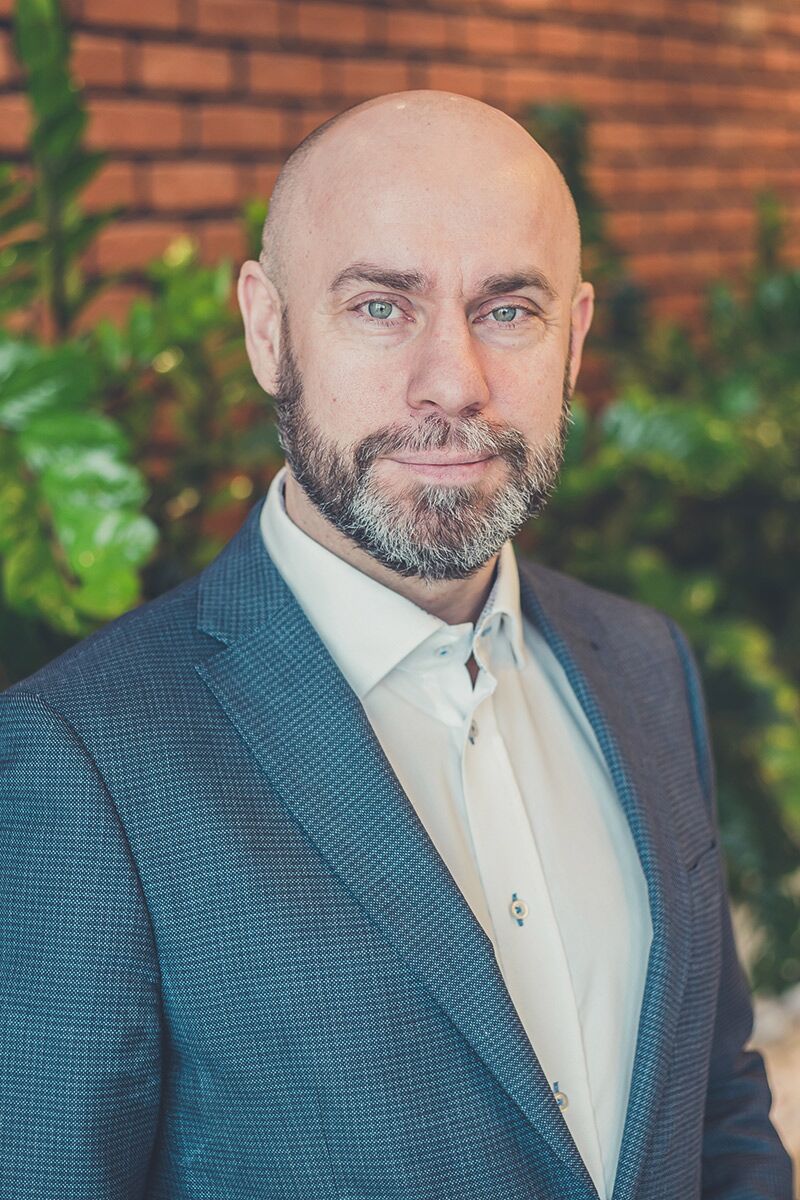
Marcin Turski, Sales and Customer Service Director, Fresh Logistics Polska, Raben Group