Musk finally gave in. Tesla will also charge the competition
13:29
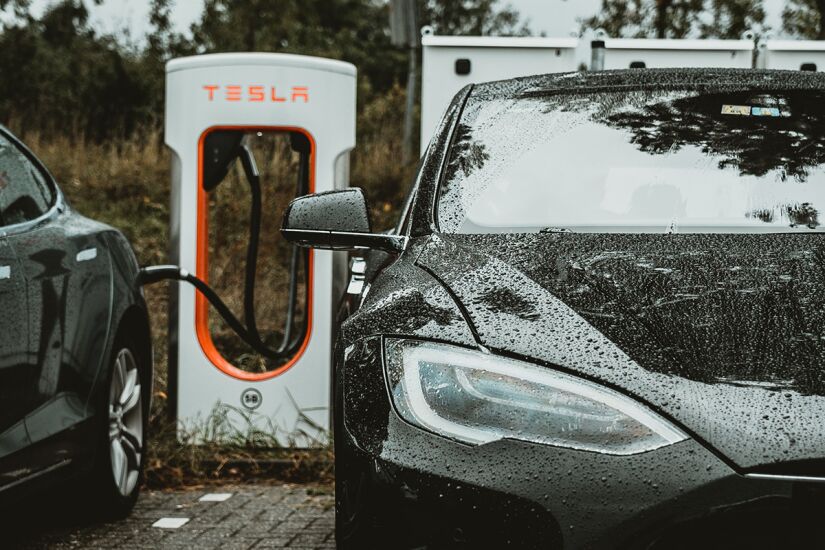
Until now, Tesla has only offered chargers for its own electric car models. It was the developed charging network and Tesla plug-ins that ensured sales of Musk’s cars. It was one of the reasons to opt for Tesla. Meanwhile, rival charging networks such as Electrify America and EVgo have surged, according to Bloomberg. Tesla’s charger map is still arguably better than its competitors, but that’s changing.
There are 1,176 Tesla fast-charging stations in the U.S. and Canada, compared with 5,113 stations operated by other providers, according to the latest Department of Energy statement. There are 20 percent more Tesla plug-ins, however, and they’re more widely dispersed across the country as the company uses them to drive business.
What’s likely is that Tesla may abandon its attempts to monopolize the charging market in Europe - here it faces much more developed networks from competitors, while it may gain subsidies for brand-independent plug-ins. In Europe, Tesla owns just 16 percent of public fast chargers, and, unsurprisingly, many Tesla vehicles in Europe are equipped with a CCS universal charging port rather than the company’s dock.
In the U.S. market, competing companies are putting together partnerships (known as interoperability agreements) that allow their customers to connect to almost any network. For example, Ford’s charging map, called FordPass, includes 16,000 stations, including those operated by Electrify America and EVgo. Tesla’s chargers no longer translate so visibly into car sales. Musk might as well use them to sell electricity.