Parents to buy electronics before start of school year
21:50
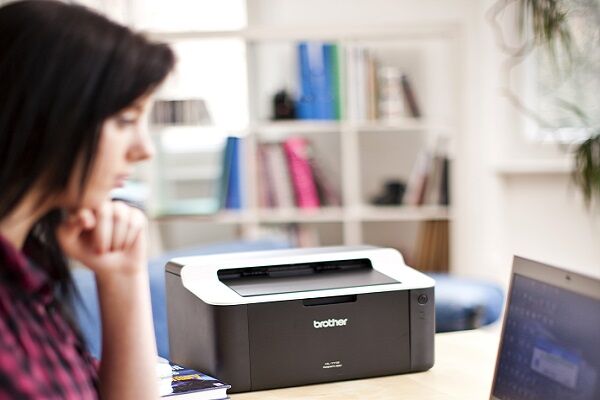
The Provident Barometer survey shows that 25 percent of parents will spend the most money on electronic equipment that will support their children in learning. However, this fact should not come as a surprise, because due to the still prevailing pandemic, the learning process can differ significantly from the well-known residential education at school.
The survey conducted during the pandemic by the creator of the VULCAN electronic journal together with the Department of Research on the Learning Process (Adam Mickiewicz University in Poznań) shows that before the coronavirus, only one in three students used a computer or smartphone every day to broaden their knowledge. Nearly 80 percent of the respondents learned by taking traditional notes, writing with a pen on a piece of paper, and they used electronic equipment primarily for entertainment. However, the realities of distance learning significantly changed this trend as students faced the obligation to participate in e-lessons.
Online classes require not only presence, but also the opportunity to take an active part in them. Therefore, when completing a child's layette with electronic equipment, it is worth providing them with devices that will have a built-in camera and microphone or dedicated headphones that will increase the comfort of e-classes. According to Katarzyna Idzkiewicz, Senior Marketing Coordinator at Brother Polska, it may also be important to have a printer and a scanner.
"The human brain is much better at processing materials on paper, especially when the student has the ability to make notes, draw or highlight important fragments. A scanner will also be useful, allowing you to digitize your handwritten notes. Thanks to this, they will not be lost on the desk, and the teacher will be able to view them if it is necessary to consult the homework. The photocopier function, in turn, may prove very useful in the future, when the child will frequently use books borrowed from the library or the notes of peers,” the expert noted.
(WBJ)