Poland not very friendly to minorities and immigrants
21:41
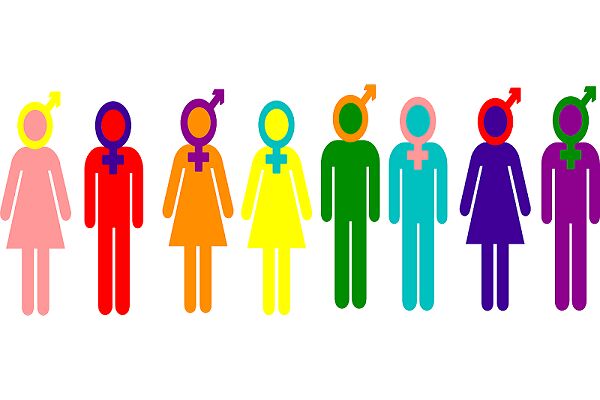
Despite the progress made in recent years, Poland achieves worse results in terms of diversity, acceptance for ethnic minorities and migrants, according to the report of the Organization for Economic Co-operation and Development (OECD). A report titled ‘All hands in? Making diversity work for all’ concerns, inter alia, title issue in OECD member countries.
The report checked, among others what is the situation on the labor market for groups that may be discriminated against on the basis of ethnic origin, gender, disability or age. Data from 2017 and 2018 were compared with data from 2007 and 2008. The report takes into account the concept of diversity in terms of the presence of the most discriminated groups in society: immigrants and their families, ethnic minorities, LGBT + people, elderly people, people with disabilities and women.
In the comparison on the situation on the labor market in Poland, a significant increase in inequalities in terms of gender, age and disability was noted. The gap between the professional activity of men and women is 13.3 percent to the disadvantage of women. In the case of age, the gap is 33.7 percent. to the disadvantage of the elderly (55-64 years old). In turn, in the case of people with disabilities, it is 28.7 percent. This means that women, the elderly and people with disabilities are employed in Polish society less frequently than men, young people or people without disabilities. Despite the still existing differences in the labor market, the report noted an improvement in the situation of these groups over the last ten years.
In the OECD report, the issue of employment of immigrants is better – they have 3.5 percent higher percentage of professional activity compared to people born in Poland. Still, despite the favorable professional situation, people born abroad constitute only 0.3-3.4 percent of Poland’s population. In turn, people with various degrees of disability account for from 16.3-17.7 percent.