Poles not willing to spend money on ecology: report
23:35
Poles are not willing to undertake ecological activities that require them to incur financial outlays, according to a report by Bank Ochrony Środowiska. It is most often done by villagers who invest in rainwater collection installations.
BOŚ published the Ecological Barometer of Poles, in which Poles were asked, inter alia, whether in the last three years they undertook ecological activities that required financial outlays of at least PLN 1,000. It was about, for example, investing in a photovoltaic installation or building a rainwater tank.
According to the report, only 37 percent of the respondents gave an affirmative answer to this question. The rest, i.e. 63 percent of the respondents did not carry out such activities.
The survey shows that the inhabitants of rural areas are most willing to spend money on pro-ecological investments. City dwellers are far behind.
According to the report, 59 percent of rural residents declared that in the last three years they had carried out an investment favoring environmental protection. In the case of small towns (up to 50,000 inhabitants) it was 22 percent, medium-sized cities (from 50,000-250,000) – 18 percent; large cities (from 250,000-500,000) – 47 percent; the largest agglomerations (over 500,000 inhabitants) – 21 percent.
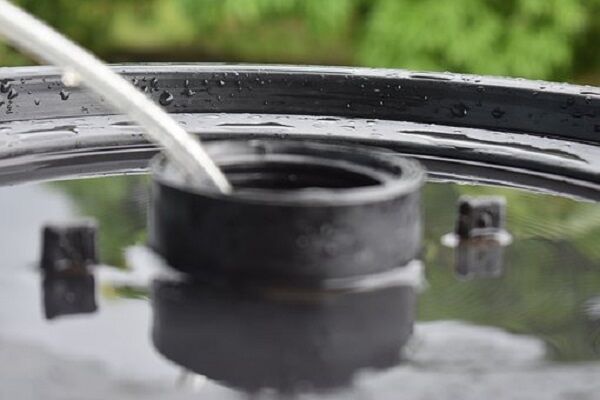
The respondents also indicated that the most popular pro-ecological investment was the creation of an installation of a rainwater tank. This answer was indicated by 60 percent of respondents.
"The storage of rainwater in the face of cyclical and more severe droughts becomes a priority. Solutions are affordable for most of us and affordable. Water can be retained in retention reservoirs, absorptive wells, ponds, and ponds. Rain gardens designed in such a way are also an interesting solution. The rainwater would irrigate the plants, moisten the soil and feed the groundwater, instead of flowing directly into the rainwater drainage," Sławomir Mazurek, the chief ecologist of BOŚ, noted.
(PAP)