



Rating Luxury
12:05
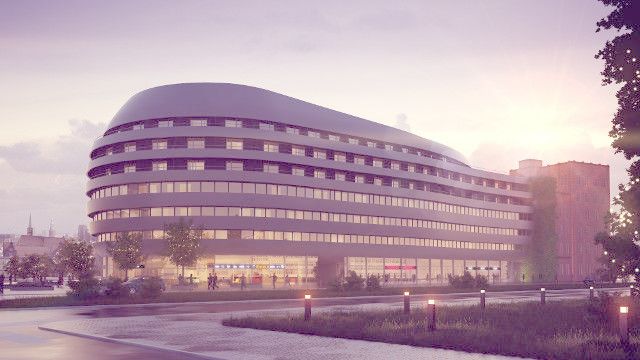
As the wealth of Poles increases so does their interest in luxury properties. Sotheby’s and Forbes have prepared Poland’s first ranking of luxury properties and they’ve made some interesting observations
By Beata Socha
The luxury residential market in Poland is still in its early stages. However, since Sotheby’s International Realty entered Poland late last year, there has been an increasing amount of buzz surrounding the market segment. Recently, BBI Developent and US-based Amstar – the two investors who purchased the Złota 44 project in mid-2014, decided to relaunch sales in the tower, counting on the new, lower price range as well as the project’s appeal and location (right in the middle of Warsaw’s downtown) to attract clients (more on Złota 44 in WBJ Observer’s May issue).
At the end of May, Sotheby’s International Realty, together with Forbes, published Poland’s first ever ranking of luxury properties. A PR feat, to be sure, but it also marks a milestone for the market: it is now big enough to build a ranking system around.
The list encompasses five categories: luxury apartments, townhouses, historic properties and tenements, second homes – usually located in holiday resorts, as well as luxury properties with the highest possible return on investment. Sotheby’s and Forbes analyzed five main residential markets in Poland: Warsaw, Kraków, Wrocław, the Tri-City and Poznań.
Top five
The value of the properties considered as luxury varies depending on the market. In Warsaw, the threshold was PLN 1 million, but in other locations luxury properties can be purchased at several hundred thousand złotys. But price is not the only thing that differentiates the five markets. The historical background of each of the five cities, and subsequently the type of prevailing architecture is what really sets them apart. Warsaw, for instance, offers a variety of modern high-end apartment buildings, both in the city center and outside it. On the other hand, historic tenements are rare and usually get snatched up as soon as they hit the market.
Wrocław and Poznań, located in Western Poland (Wrocław used to be a part of Germany before WWII), have plenty of historic buildings, most of which have yet to be refurbished. These cities also offer a number of manor houses in the suburbs. Poznań still lacks a well-developed luxury apartment market, though. Finally, the region around Kraków and the Tri-City are often where affluent Poles buy their second homes: either by the seaside or close to Polish mountain resorts.
Undoubtedly, there is still a lot of potential in Polish top cities for luxury development. Market experts from Sotheby’s point to cities’ waterfronts, which are still largely undeveloped. They are considered to be the next big thing in Poland.
Also, additional amenities seem to be what attracts wealthy customers these days: sauna, swimming pool, green areas on the rooftop, as well as concierge services.


