Reykjavik Index shows high levels of acceptance of women in science
22:46
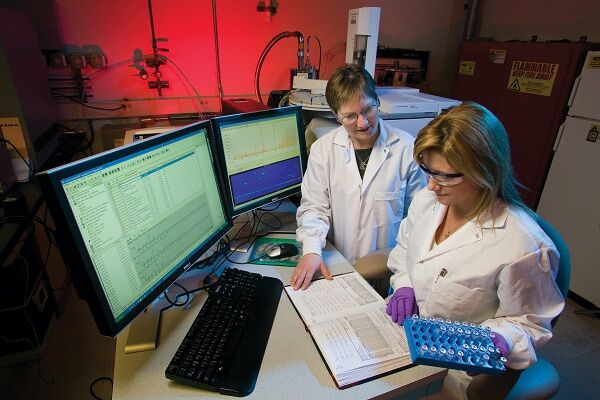
A major study measuring the extent to which society is comfortable with women in leadership positions, as compared to men, reveals high levels of acceptance of women in science. The Reykjavik Index, which measures perceptions towards suitability to lead across twenty-three sectors, finds that two scientific sectors, Natural Sciences, and Pharmaceutical and Medical Research, have some of the highest average Index scores at the G7 level (81 and 80 out of 100 respectively, with any score less than a 100 showing an indication of prejudice against women).
But while public perceptions of equality in leadership in these sectors are encouraging, it is not translating into participation and inclusion of women in the highest positions in these sectors. Research from UNESCO shows that less than 30 percent of the world’s scientific researchers are women, that they publish.
As the scientific response to Covid-19 shapes the impact of the pandemic, there has been a spotlight on women behind the vaccine: Prof Sarah Gilbert, the woman who designed the Oxford vaccine, Özlem Türeci, Co-Founder and Chief Medical Officer of BioNTech and World Health Organisation’s chief scientist, Soumya Swaminathan.
Kantar’s research looked at the perceived suitability of women in leadership positions from a sector perspective and found that Natural Sciences and Pharmaceutical and Medical Research are those with the highest average G7 Index scores.
Both women and men continue to demonstrate some prejudice against women in these subsectors. The average G7 score for Pharmaceutical and Medical Research is 76 for men, with women scoring 83. For Natural Sciences scores for women are 84 and for men 78, any efforts to counter this will need to account for the higher amounts of prejudice demonstrated by men.
(WBJ)