Schools should prepare for hybrid teaching in long term
22:45
When we started remote learning in March last year, we thought that we were quite well prepared for it. According to research conducted before the pandemic, as many as 97 percent of households had a computer, most of them also had access to the Internet. This meant that the vast majority of both students and teachers had the opportunity to conduct and receive learning in a remote system. However, after a year of the pandemic, we can see that the optimistic outlook for distance learning was wrong. New data on the availability of equipment show that in many homes it was a problem to reconcile several courses of study for several children. Many students did not have a quiet place to participate in a lesson, and remote parental work limited access to the computer and the Internet even more. It also found that teachers lacked the competencies needed for distance learning. Only 5 percent of teachers described their preparation for distance learning as very good, and 40 percent felt that they were prepared to a low or moderate level.
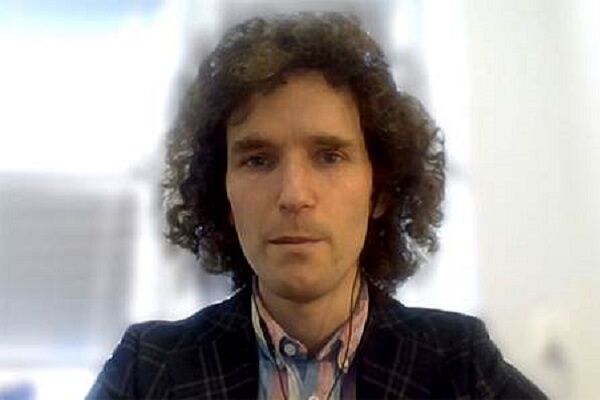
“The last year of schooling was much less effective than the year of schooling in a normal school. The educational gap that this creates is significant. We see a big difference between what students could and should learn in a year and what they actually learned. This will affect the conditions and knowledge of these young people for many years to come,” Ignacy Święcicki, head of the digital economy team at PIE, said.
“It is also worth noting that the period of the pandemic and homeschooling was a much greater burden for parents. Up to 39 percent of them spent four or more hours a day helping their children to learn. As a result, there is a growing belief that the core curriculum should be adapted to the new situation. This is one of the recommendations of our report. In order to effectively introduce the hybrid teaching method, the core curriculum material should be adapted to the possibilities offered by distance learning. There is also a need to create new competencies in students – searching for knowledge on the Internet, assessing it, and verifying sources. It is also important to change the foundations of the education system, which are ways of assessing and controlling what students do. Assessing students who work from home requires a different system. The learner's self-esteem will become more important. We want him to be able to judge for himself how much he has mastered the material. In distance learning, we have less control over whether the student performs a given work independently. Therefore, it is necessary to amend the grading system and require students to master their knowledge in a different way,” Święcicki emphasized.