Warsaw modernizes its high-voltage network
20:14
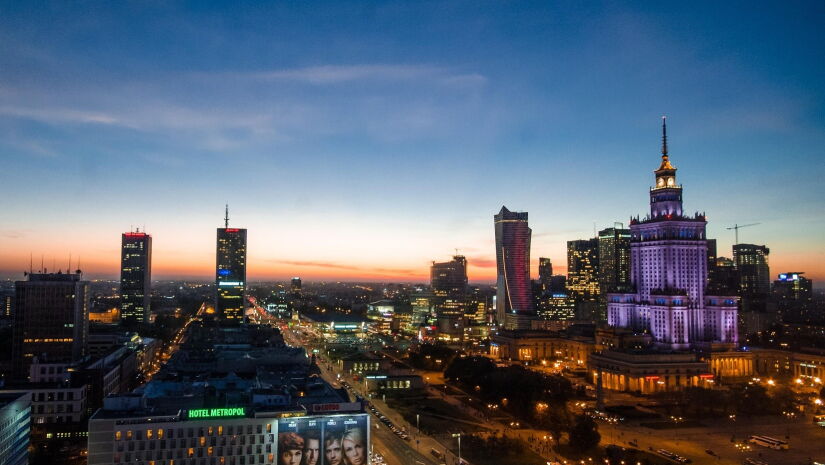
Stable electricity supply is one of the fundamental conditions for a city’s safe operation. The growing number of renewable energy installations, increasing grid loads, and the need to ensure reliability require long-term investment in the modernization of power infrastructure. For Stoen Operator, responsible for Warsaw’s electricity distribution system, this means preparing the grid not only for rising demand, but also for more complex operating conditions—variable energy production, new customer groups, and higher security standards.
The existing power grid was designed at a time when energy consumption was much lower and the system relied mainly on large, centralized generation sources. Today, it must accommodate an increasing number of renewable energy sources (RES), electric vehicle charging infrastructure, modern office buildings, and data centers.
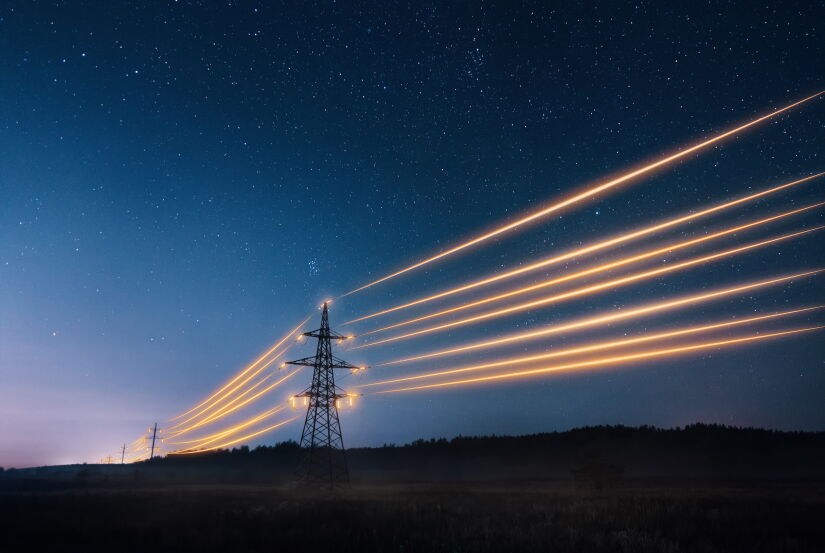
For this reason, modernization and expansion—particularly of high-voltage (HV) infrastructure—are crucial. The HV network creates new connection capacity within a modern agglomeration and forms the foundation of the entire system’s secure operation. Upgrading and strengthening this area increases flexibility, enables power redirection in emergency situations, and significantly reduces the risk of outages.
Not Just a Local Network
In Warsaw, such investments affect not only the city itself and its surroundings. The high-voltage network ensures continuity of power supply to strategically important facilities and institutions, including water utilities, wastewater pumping stations, and the railway system. It underpins the city’s everyday functioning.
“Ensuring the capital’s energy security is a responsibility we undertake with both residents and the economy in mind, as well as state institutions. That is why we invest in solutions that guarantee supply stability for many years to come. Our plans include several strategically important locations with varying scopes of work—from several-hundred-meter sections to the construction of more than 10 km of cable lines,” says Marcin Cieślak, Senior Manager in the Network Investment Implementation Department at Stoen Operator.
The company’s multi-year investment plans include strengthening key grid elements, replacing overhead lines with underground cable lines where possible, expanding supply nodes, and implementing solutions that improve system controllability and flexibility. Stoen also plans to introduce modern technologies to enhance operational safety, for example in reactive power management across high- and medium-voltage networks. Such measures aim to ensure uninterrupted energy supply and support the city’s continued development—from electromobility to new digital services, including cloud solutions, smart city systems, automation of public services, and technologies based on the Internet of Things and artificial intelligence.
Tangible Benefits for Residents
Although investments in the power grid are designed to strengthen system security, their ultimate beneficiaries are the city’s residents. For them, stable electricity supply is a matter of daily comfort and safety.
“For residents, grid modernization and high operational standards primarily mean convenience and a sense of security—continuous power supply, lower risk of failures, and greater resilience to climate change. It also guarantees that Warsaw can continue to grow without energy constraints,” adds Tomasz Żuraw, Director of the Network Services Division at Stoen Operator.
Adapting Warsaw’s grid to the challenges of the energy transition aligns with national and European objectives aimed at strengthening energy security. It also represents the development of modern infrastructure that will enable the continued green transformation of the economy and prepare it for future challenges.
Translated from Polish.
(WBJ)