Workers take off rose-colored glasses when it comes to remote work
20:04
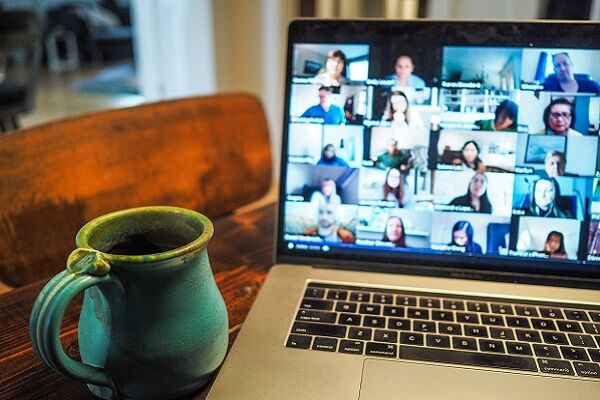
In 2020, a pandemic has made working from home the norm for millions of workers, including in the EU. Allianz Trade's analysis shows that the future of work has since taken center stage in public opinion and politics, as well as among employers. However, compared to the previous round of surveys, the percentage of employees who reported being unable to work from home has declined. The share of those returning to the office, both in hybrid and mostly full-time formats, has also increased: it is now 32 percent in Germany and Italy, and 29 percent in France (compared to 25 percent in all three countries a year earlier – a change that is not significant).
The benefits of working remotely are clear: Allianz Trade respondents most often cited the elimination of commuting (men: 51 percent, women: 58 percent), time flexibility (49 percent), and lower costs (men: 26 percent, women: 28 percent). However, the percentage of respondents mentioning challenges doubled in almost all categories: two years of working from home has increased awareness of the disadvantages of this solution. The biggest challenge turned out to be social contacts – the inability to maintain them (men: 29 percent, women: 27 percent), as well as: blurring the boundaries of private life (men: 17 percent, women: 20 percent), inadequate workspace (men: 20 percent, women: 18 percent), combining home and work duties (men: 18 percent, women: 20 percent) and lower productivity (men: 14 percent, women: 12 percent).
Remote work is not a "one-size-fits-all" solution. Double-time work for women overshadows the flexibility of working from home (they generally fulfill most of the household duties), and the digital divide can exacerbate inequalities.
(WBJ)