British get along with Japanese
21:58
Great Britain concluded the first trade deal after Brexit. However, not with the European Union, but with Japan. Great Britain must conclude new agreements with all the countries with which it has previously traded freely on the basis of EU rules.
The British and Japanese have already negotiated the shape of a future trade deal, but the deal has yet to be approved by parliaments in both countries. However, it should take place this year, as assured by the Japanese Foreign Minister, Toshimitsu Motegi.
As a result, the agreement could enter into force from the beginning of January 2021, i.e. from the moment the post-Brexit transition period ends and the current trade relations with the EU cease to apply.
The UK government sees the agreement with Japan as a historic moment. Thanks to the contract, up to 99 percent trade between the two countries will be exempt from customs duties.This is expected to increase mutual trade by over £15 billion a year.
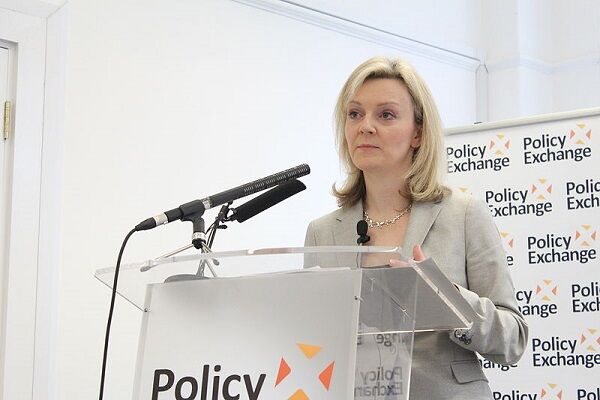
“We have managed to negotiate an agreement wider than the one concluded with Japan by the European Union. Many British businesses will benefit from this, and above all for our factories, including those producing food and beverages as well as new technologies,” Liz Truss, British International Trade Secretary, said.
She added that the interests of British manufacturers were also secured "from car factories in Wales to shoe factories in the north of England." She announced that it is also an introduction to British accession to the Trans-Pacific Partnership (TPP), which will "put Britain at the heart of global free trade."
Japanese car and electronic equipment manufacturers will also benefit from the contract. Their factories in Great Britain have, among others, such concerns as Nissan or Hitachi. Now they will be able to import parts and components from Japan for much cheaper.
But government analysis shows that the deal with Japan will have little impact on British GDP. In the best variant, it will grow only by 0.7 percent. This is much less than the loss that would result from the failure to conclude a trade agreement with the EU, which should also apply from next year.