Changing channels
14:17
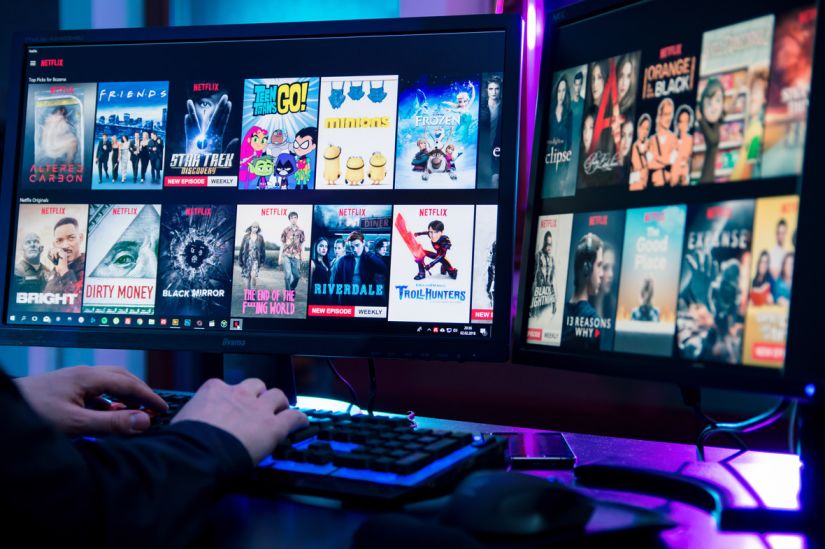
There are many forms of media available to users in today’s world; from the classic book to the latest channel from your favorite YouTuber. Choose any of these media forms, imagine paying for it, but then only being able to enjoy it at a set time for one hour every week. On top of that, it is constantly interrupted by adverts! With a book this would be totally unacceptable. It is only with traditional TV that it is permitted.
The only reason it’s tolerated is because it’s always been the paradigm for TV delivery. But things are changing. The introduction of OTT services such as Netflix (launched in Poland in 2016) Amazon Video (rolled out globally 2016) and HBO GO (in Poland since March 2018) have started to make people realize how outdated the old system is. VOD services are now offered by all major TV broadcasters, but is this enough to keep them alive in this fast-changing market?
The convenience of binge watching
The world is smaller than ever. With disappearing borders around the world, global values are becoming more homogenized. People are better connected – technologically and sociologically – than ever before. As such, the media consumed around the world is becoming less distinguishable to the extent of being identical; just look at the talent shows (Mam Talent! Britain’s Got Talent etc.) that have been globally franchised as an example. Taking advantage of this are huge, international TV providers launching their services to a worldwide audience. Done on an OTT or VOD system, these companies appeal to audiences the world over for reasons other than convenience.
Yes, convenience is a huge selling point; who doesn’t want to be able to watch episode after episode of their favorite show uninterrupted at any time? But also, greater viewing statistics play a major role. Netflix and its contemporaries gather a lot of data on all of their viewers, from genre inclination through actor preference to viewing time and habits. They can then use this information to tailor suggestions and even production for the market.
Such data can show what works best in Poland, leading the provider to commission similar shows specifically for that audience. The system seems to be working, as Netflix produced its first ever Polish language original series “1983” this year, attracting Agnieszka Holland and Kasia Adamik to the production team in the process.
Who’s switching?
Although statistics show that the subscriber base of Netflix et al. is increasing with over a million subscriptions in the first year alone, there may still be hope for local TV producers. Firstly, many viewers who take on HBO etc, do so in addition to their existing network packages, favoring to keep NC+ or Polsat.
They do this for the same reason some people don’t want to make the switch; live transmissions, local news, regional programs and sport. This is particularly true for older viewers who are so accustomed to the functioning of TV schedules that any change would be disruptive.
This same section of the market favors familiar shows, or things relevant to the local area, over new media from a global perspective. That’s good news if you’re an executive in the local TV station and have a short-term perspective, but what about the other demographics?
Netflix’s own statistics show their biggest subscriber base is in the 18-35-year-old section, while the fastest growing is 36-45-year-olds. So, even if traditional broadcasters manage to hold onto the rights of the country’s most popular shows, as the population ages, the future’s looking good for OTT producers.

Live broadcasts and sport are a feature of classic TV production which could keep viewers paying for their satellite/cable connections. Again though, this could all be set to change; Hulu (the Disney, Fox and Comcast joint venture answer to OTT rivals) is already offering live transmissions to those holding subscriptions to the service!
Presently, it’s only available in the US and Japan, but that’s how all the big names in Polish OTT media started out, so the future could see similar services introduced to Europe and Poland. Amazon Video is ahead of the curve in this respect, already including sports programs as part of its worldwide offer.
It seems then, that news and local programs may be the last hope for regional TV providers. By its very nature, news is not something which is suitable to an on-demand platform, while the number of regions covered by global media providers make the chances of bespoke programs for each one seem unlikely. Is this enough to keep a local station alive? It seems doubtful.
Fighting for survival
It seems inevitable that OTT and VOD will completely dominate TV production in the future, with a desire for regional producers only found in news and local productions. It would appear unfeasible for such a small demand to warrant a whole TV network, but there may still be other options for local producers.
Firstly, Netflix/Amazon and their competitors may subcontract news production, forming arrangements with local producers and offering their content on the OTT platform. Secondly, news consumption may shift from TV to PC, (something that is already happening, but would be exacerbated by an absence of local TV stations) thus providing more opportunities to independent film-makers to reach a larger audience online.
Finally, the extinction of TV as we know it may be the catalyst for the evolution of local radio stations; media providers who are already producing countless online videos to accompany their radio broadcasts and news bulletins.
Whichever scenario plays out, savvy local producers should be able to find a platform for their media, so long as there is a demand for it. Things don’t look good for the national TV networks, but the individuals producing on a local level should be able to keep their programs; they just might need to change channels.