Coronavirus epidemic not reducing smog in Warsaw
23:42
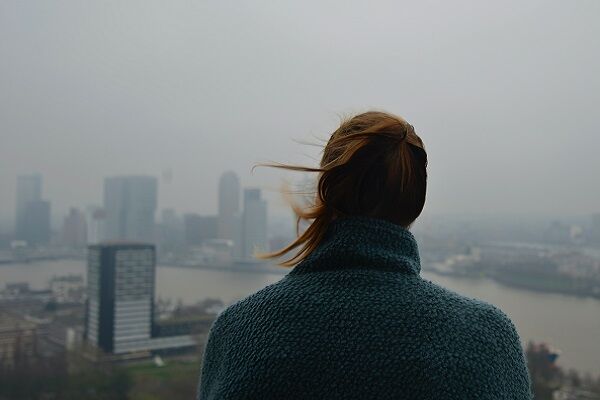
The first months of the coronavirus lockdown brought hope for the air to clear up. The drivers confined in their homes used cars less, so they produced fewer pollutants and airborne dust. From this period, we remember amazing photos of highly polluted cities where the air was clear for the first time in several decades. However, it cannot be unambiguously stated on the basis of this phenomenon that the Covid-19 epidemic contributed to the improvement of air quality. In the past, when we looked at the air pollution curve, we saw the morning peak, in the middle of the day the air was relatively clean, and the smog returned in the evening – when we returned from work and heated the house. Now, this concentration curve is flatter. We are at home all the time and we have to maintain a comfortable temperature all the time. If we heat the house with a black-smoke-belching stove, there will be more smoke.
"Car traffic contributes to the emission of nitrogen oxides and ozone, as well as particulate matter. In March 2020, the air quality in Warsaw improved by half within three weeks. It can be seen that reducing car traffic can significantly improve air quality in a very short time. This is a good signal for activists who are fighting to prevent cars from entering cities," Piotr Siergiej of the Warsaw Smog Alert said.
"On the other hand, if we are talking about winter smog – caused by smoking in black-smoke-belching stoves, boilers, and fireplaces – we can expect an increase in pollution. If we sit at home and do not go to work, we will heat more. We do not have complete measurements yet and it is difficult to clearly judge how an epidemic is influenced the air quality. However, my intuition tells me that during pandemic we deal with greater smog. On the other hand, when we sit at home, we are less exposed to smoke that is outside. The concentrations of suspended dust in homes are always lower than outside, which is why the picture is more complex. It cannot be simply said that COVID has either improved or worsened the smog situation," Siergiej summed up.