Elite brands can handle pandemic better than ordinary stores
22:53
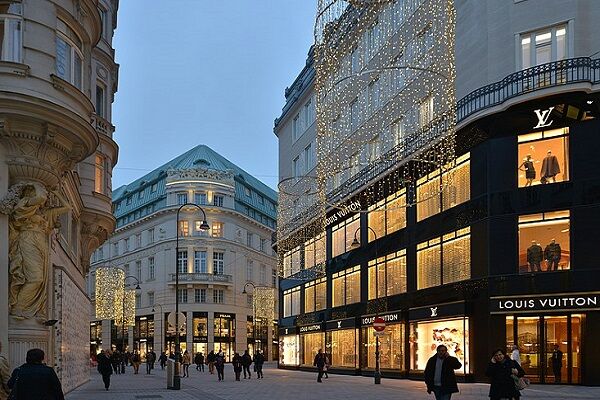
Luxury brands such as Louis Vuitton, Gucci, and Hermes certainly suffered losses, but hardly such as the constant closings and product discounts. Moreover, these three brands actually increased their prices by several percent in the last pandemic year. How is this possible?
The main difference is how luxury brands justify the value of their products to consumers. They place great emphasis on the brand's heritage. They are usually more than a century-old – Louis Vuitton was founded in 1854, Kering's Boucheron in 1893, Richemont's Cartier in 1847, and Chanel in 1910. The basis of this assumption has always been that behind these goods there is a luxury in the form of crafts and materials.
This vision still adds value to these brands – especially in terms of prices, and margins have reportedly increased up to 20 times. However, when customers are informed about the production process by advertising campaigns, they often only get a part of the story.
For example, for the Louis Vuitton brand, which is owned by LVMH, in 2010 the UK Advertising Standards Authority imposed a ban on advertising that suggested their bags were hand-sewn, while the company refused to reveal how much work was done manually.
When we look at the production process, in some cases their marketing ploys can be called into question. An example is a purchase by Chanel in the supply chain of Barry Knitwear of Hawick in Scotland in 2012.
Barrie now produces high-quality knitwear both under its own brand and for Chanel. Difference? The cashmere cap from Barrie costs a little over £200, and quite similar to the Chanel brand – £375. From a visit to the Barrie factory, it is known that the raw materials and production methods are the same. This is not a question of quality, only cost.