Human right to independent court violated in Poland: MEPs
15:56
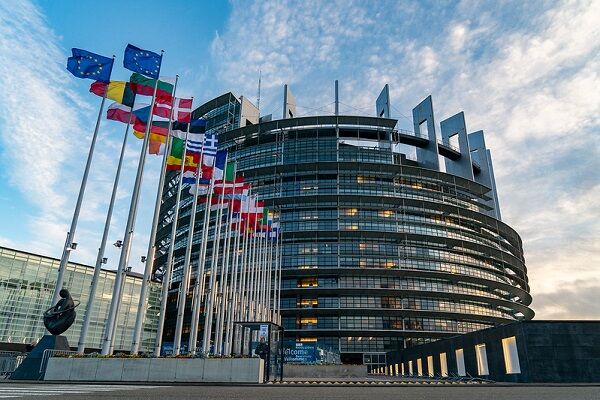
Debate on the rule of law in Poland was held in the European Parliament, organized by the Democracy, Rule of Law, and Fundamental Rights Monitoring Group (DRFMG). DRFMG re-examined the situation of the Polish judiciary. A special working group set up by the EP Civil Liberties Committee (LIBE) monitors the situation regarding EU values in all Member States.
The group raised, among others the subject of the functioning of the Constitutional Tribunal and the legality of its judgments, the composition, and functioning of the National Council of the Judiciary, and the judgment of the Constitutional Tribunal under the chairmanship of Julia Przyłębska, according to which the provision of the Act on the Ombudsman, which allowed Adam Bodnar to remain in office until the election of a new Ombudsman, is unconstitutional.
Among the participants of the debate were Emmanuel Crabit, director of fundamental rights and the rule of law in the European Commission, Filippo Donati, chairman of the European Network of Councils for the Judiciary, MEPs, as well as judge Waldemar Żurek representing the Themis Judges Association, prosecutor Ewa Wrzosek from Lex Super Omnia, judge Igor Tuleya and the former first president of the Supreme Court, Małgorzata Gersdorf.
The invited Minister of Justice, Zbigniew Ziobro, did not take part in the debate.
The chairman of the European Network of Councils for the Judiciary said that the association made an "unprecedented decision" to suspend the Polish Judicial Council because it is increasingly dependent on politicians and does not oppose the progressive destruction of the rule of law in Poland.
“The National Council of the Judiciary has been suspended as a member. We decided that it did not meet the requirements of independence from the legislature and legislature and could not ensure the independence of the court. The reforms implemented have an impact on the control of the judiciary by the executive. The public prosecutor's office, the judiciary council, and the courts are dependent on the executive. The party in power controls the judiciary. It is a massive attack by the political authority on the judiciary,” Filippo Donati said.