Knocking on every door
13:55

WBJ: What are the most common problems start-ups from markets such as Ukraine face when looking for financing?
Daria Demchenko: Basically, start-ups will normally go and knock on all doors. That’s a crucial mistake because they will waste their own time and that of investors. They need to do their homework. If you develop tech in agritech, for instance, go to investors who provide financing in agritech and focus only on those who finance start-ups at the exact stage of the development of your company. So if an investor provides Series A financing, don’t chase them for seed money. Don’t make them mad, because you may want to approach them again later. That’s the first thing.
Another common mistake is that companies will look for funding too soon. They have an idea, but they are nowhere near ready to present it to potential investors. Every investor expects you to first invest your own time and money to reach a certain point that shows that your business model is valid and your product will work. That’s a common challenge with ICOs because people are investing in advance without a gauge of future performance. That is why the venture model is clearer and more reliable for all involved.
What is the accelerator landscape like in Ukraine?
Accelerators in Ukraine are a little underdeveloped. It could be because all start-ups from Ukraine ultimately target European and American markets first, before building homegrown finance. There are some legal challenges, as it is hard to negotiate cross-border deals with investors and VCs. The average Ukrainian start-up wouldn’t establish their processes in the country. They start with a minimal team – such as vital R&D and C-level exec – on the ground, then expand to the international scene at the earliest opportunity. That’s why they don’t really need accelerators in Ukraine specifically, as they can look overseas.
What about government-funded accelerator programs?
On the one hand, it’s a great gesture that there is trust and support for start-ups at governmental level. But in general, by increasing government investment in start-ups, they have been fueling a start-up bubble – which can be a stumbling block for those start-ups looking to take the next step in their business growth. Currently there’s a gap for those who have successfully completed an accelerator program and are trying to access their next level of support and funding. From a government perspective there’s scope to build support and bridge the gap, as those companies that have completed accelerator programs are showing promise and business viability.
Are investors in Poland and in other CEE countries more comfortable with early investments rather than series A or B funding?
Yes, this is a simple entry investment strategy because you start from developing a large small-ticket portfolio, rather than making one bigger deal. This is a simple way of mitigating risk. That’s also why investors join Business Angel groups, which can offer expertise from various fields of technology. You are able to share your knowledge with your co-investors and gain a better understanding of the projects you invest in, further minimizing your risk.
Does it make sense to try to copy the Silicon Valley model in Poland and CEE?
I think that Silicon Valley’s best days are behind it and these days it is winding down. It is still the most popular base for most tech start-ups, but it is not growing as quickly as it used to in the past. People are already moving to Seattle, Berlin, London and other places to look for lower costs. Employee turnover is a major problem in Silicon Valley. Recent research has found that the average time an employee stays with Facebook is two and a half years, and with Google – one year. Even with all the employee benefits, they still have a hard time retaining their employees. It’s now a new time for start-ups to create a growth culture that they want, and that’s also why it is a great time for Poland. It has a lot of bright technological minds, and plenty of opportunity to kick-start a start-up. The region is certainly one to watch, not only within Europe but as a global start-up business hub.
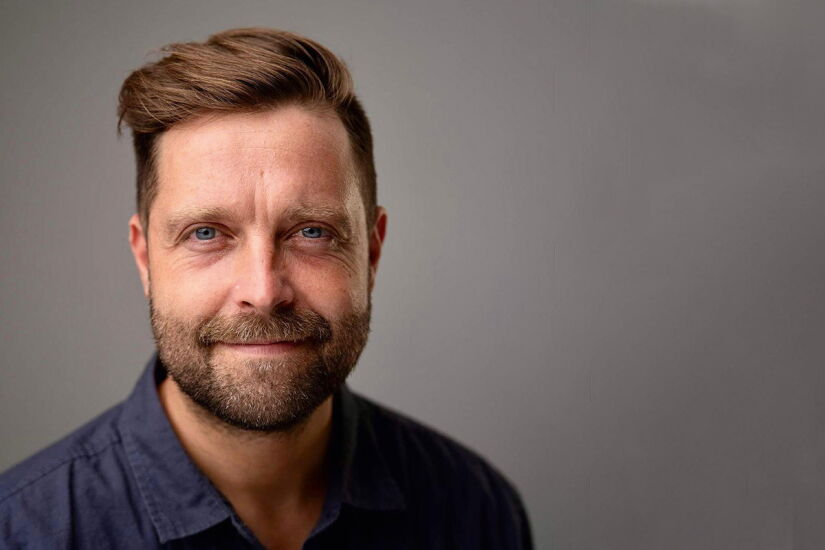
 DARIA DEMCHENKO
As an experienced Unicorn hunter, start-up investor relations manager, banking advisor and start-up business accounts specialist at CardPay, as well as a journalist and analyst. There is little that Daria hasn’t witnessed when it comes to the digital start-up world. Daria is also an organizer of local ecosystem events (Startup Wise Guys roadshow Kiev, Pitch to Cross-Border Angels, Angel Investor Day Lviv and Connect Ukraine festival) as well as a mentor at AngelHack and Aspen Institute Ideas Festival.