Polish scientists with European partners work on special sensors for water testing
23:04
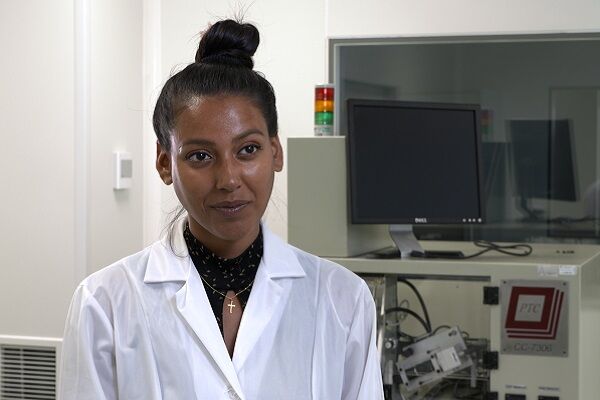
The European Aquasense project aims to create a new, self-sufficient and autonomous, real-time water quality monitoring system. Polish researchers also participate. Following the outbreak of the global pandemic, scientists' attention has focused on whether the SARS-CoV-2 coronavirus can be transmitted through water. The results of the research conducted so far may be a valuable hint for sanitary services.
Following the outbreak of the pandemic in early 2020, scientists from the Aquasense project set out to see if the new coronavirus could be transmitted through water into which untreated municipal sewage enters. This is important because – according to the United Nations – more than 80 percent. Untreated man-made wastewater discharges into rivers or seas, 6 out of 10 people do not have access to safe sanitation, and worldwide still more than 890 million people still practice open-air defecation. Transmission of the virus through wastewater contaminated water would therefore represent a huge epidemiological threat on a global scale, as well as a real risk of infecting aquatic animals.
"Whether the SARS-CoV-2 coronavirus can be found in water is influenced by a number of factors. One of them is wastewater treatment technology. For example, when UV radiation is used to sterilize wastewater, the survival of the virus depends on the intensity of that radiation. the dose will kill the virus, the problem will disappear and transmission becomes impossible, but if it survives because the radiation was too low intensity, the wastewater could be a pathway for the virus to spread. The same goes for other methods such as chlorination. Virus survival depends on the virus. on how much chlorine we add to the water. If there is too little of it, there is a risk of transmission," Kiranmai Uppuluri, Maria Skłodowska-Curie Actions scholarship holder and environmental engineering specialist of the LTCC Technology and Printed Electronics Research Group at Łukasiewicz – Institute of Microelectronics and Photonics, said.
(Newseria)