Selective increase in excise duty doesn’t work good in economic crisis: Polish employers
21:52
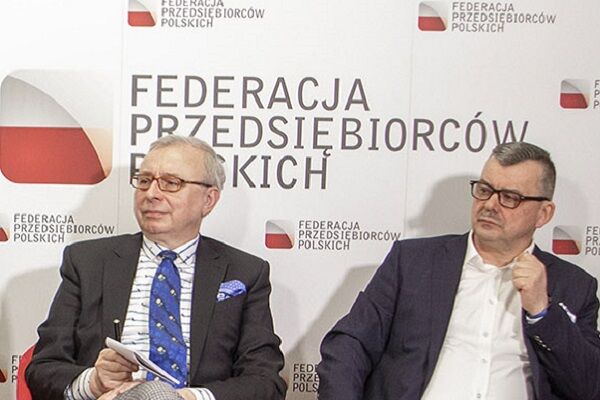
The Federation of Polish Entrepreneurs (FPP) points out that the current excise duty system should remain intact – especially since the tax on new categories of excise goods has only just been introduced (in October 2020). If changes in excise duty were considered in order to increase budget revenues – then the structure of the method of calculating this tax should be changed, especially for tobacco products, and the rates for the most harmful products (e.g. for traditional cigarettes and strong alcohols) should be increased, maintaining or reducing rates for less harmful products (innovative tobacco products, electronic cigarette liquids produced by Polish SMEs and for weak alcohols such as beer). Increasing taxes paid directly from the pocket of the citizen during a pandemic and the economic crisis is unwise and harmful to the entire economy, especially if it concerns only ecological products or less harmful to health. First of all, the system of calculating and collecting CIT should be tightened. The lack of excise and VAT increases in 2021 is a rational and justified government policy.
“The current excise tax policy of Poland is effective both fiscally and socially, it successfully implements goals aimed at reducing the shadow economy, properly stimulates consumer behavior, ensures satisfactory revenues to the state budget, and complies with the requirements of the European Union. In some areas, Polish regulations already guarantee revenues from excise duty, although there are no such European requirements – an example is the excise duty on cars or innovative tobacco products," Marek Kowalski, president of the FPP and the Center for Legislative Analyzes and Economic Policy (CALPE).
(WBJ)