The labor market — still a crisis or already a hope?
16:55
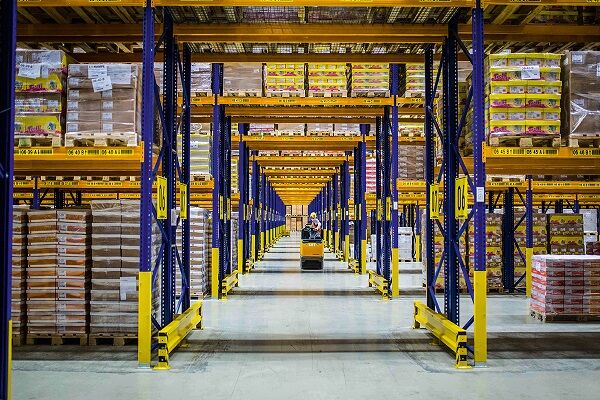
Last year's lockdown and restrictions temporarily shifted the balance to the side of employers but 2021 is clearly a return to the employee's market. The increase in demand for employees is confirmed by employment agencies, all popular portals which publish job offers, as well as HR departments, especially in logistics, manufacturing, FMCG, and IT companies. The latter is in connection with the introduction of new technologies enabling automation of business processes and improving global communication.
EMPLOYEE TURNOVER
For logistics and manufacturing companies, entry-level positions are most relevant. They are, therefore, looking for warehouse workers and drivers, while, unfortunately, facing a shortage of them in the labor market. The shortage of labor force has resulted in a real increase in base rates, as the currently offered salary conditions already far exceed the minimum wage rates planned for 2022. This is a result of increasing wage pressure due to inflation and a shortage of candidates for these positions.
Under these conditions, it seems fairly easy to change jobs. The opening of the market to the employee has emboldened a portion of the population to seek new opportunities with other employers as evidenced by the increased level of staff turnover in companies. However, have these job changes met the expectations of employees and employers? It is still difficult to give a definite answer.
A BEGINNING OR THE END?
We hear from everywhere that we are now in the “post-pandemic reality” although no one can really define what this term means. Is this the definitive end of the threat? Or rather the beginning of a crisis? Or perhaps hope for something revolutionary and groundbreaking? One thing we do know is that the pandemic has taken its toll on businesses and workers alike. While companies are now trying to find financial balance after last year's losses, employees are trying to make sense of their jobs under new conditions. This is important due to the fulfillment of employee needs, which have largely changed. An important aspect is also to rebuild social ties in the workplace to facilitate the achievement of goals, as well as to reconstruct the quality of relations between employees and employers, which has been significantly weakened in the last year, mostly due to lockdown and remote working.
Everyone experiences anxiety, which as a rollercoaster, shakes moods, expectations and needs, intensifying threats, especially in this uncertain future. Everyone is trying to find their place in the new reality, instinctively striving to restore stability and a sense of security. It is difficult to predict what will happen tomorrow, next month, next year — it is a constant struggle with uncertainty and emerging crises, including existential ones. The threat posed by Covid-19 has disrupted the normal course of events and it calls for a reassessment of mindsets and actions. Employees ask themselves questions like: How am I supposed to work in the current situation? How much energy and commitment should I put into my daily duties? Should I devote completely to my family or work? Do I take on new activities or maintain the status quo? The search for answers gives rise to fatigue and discouragement. The pressure on the result and the increased dynamics of work do not make it easy to decide on your own future.
THE MAIN MOTIVATOR
Interviews with employees and ongoing recruitment in Fresh Logistics confirm the prevailing market trends. Remuneration is starting to be the main motivator that convinces one to change the job or to stay in the current company. What matters to people is a guaranteed wage, i.e. a high base rate. The promise of a bonus, even a substantial one, could become an illusion if last year's situation were to repeat itself. It is like the old saying: “a bird in the hand is worth two in the bush.” As I have already mentioned, the weakened bond between employees and superiors results in a decreased tendency to take on new challenges and seek innovation. Superiors focused on achieving the organization's goals in the maze of duties and taking advantage of the market boom, are “losing” their subordinates. Employees feel isolated in their jobs, in their tasks, they feel overloaded and tired with work and home responsibilities. This situation increases stress levels which affect interpersonal relationships, weakens cooperation and creative thinking, in extreme cases leading to depression.
So what does an employee need? It sounds trivial and not very revealing, but in crisis situations, simple solutions are the best. First of all, open communication with the employer. An employee needs a leader who will listen to and understand their problems, who, like a phoenix from the ashes, will revive hopes for a better tomorrow, give sense to performed actions, awaken motivation and provide a sense of security. After all, a supervisor is also an employee, so where should they get the strength and motivation to motivate others? Every organization should ask itself a fundamental question: How has the pandemic affected my company? Is a radical change in thinking and action required? Or is a revision of the goals needed? It should communicate decisions openly and honestly to all employees.
In the face of change or crisis, employees need to believe that the company knows where it is going, so they can identify with the company's vision for the future. Superiors must also believe in this in order to infect their subordinates with their enthusiasm. But above all, leaders must have time to be with their people, have time to build team spirit, and have time for one-on-one conversations with employees.
Raben Group is a Dutch logistics company group. Dominika Olejniczak is HR Manager, Fresh Logistics Polska at Raben.