The next decade to be crucial in stopping global warming: an expert
22:31
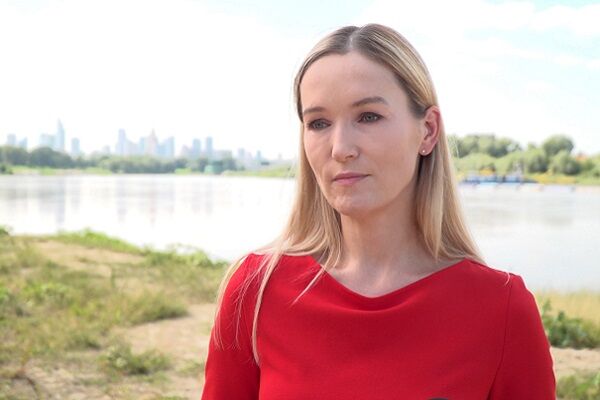
"The phenomena caused by climate change are very dangerous. These are, among others, fires that ravage southern Europe, but they can also ravage Poland," Dr. Joanna Remiszewska-Michalak, an atmospheric physicist, warned.
The new IPCC report warns of such a black scenario, which shows that global warming is progressing faster than previously assumed. To prevent a catastrophe, greenhouse gas emissions should be halved by 2030 and zero by 2050. The next 10 years will be crucial in this respect. There is a chance that specific decisions in this direction will be taken in October, during the UN COP26 summit in Glasgow.
"In recent years, we see that nature is a bit ahead of our predictions, climate change is progressing faster. We have more and more data, better models, and better computer powers that show that we have underestimated this climate change, that the temperature rises to 1.5˚C within the next 20 years. We now know with greater certainty that all the extreme phenomena we are experiencing at the moment and their intensity are due to global warming. There is no other explanation. And this year is crazy about it – nature demonstrates everything that can happen to us if we do not reduce greenhouse gas emissions," Dr. Joanna Remiszewska-Michalak noted.
"While previous reports talked about the high probability that man is changing the climate, this report is very blunt in its wording. It clearly shows that we, our anthropogenic greenhouse gas emissions, are influencing climate change," the physicist said.
The new IPCC report also shows that global warming is accelerating. Compared to the pre-industrial era, the average temperature on Earth has already increased by over 1˚C. At the current pace, it will exceed the safe threshold of 1.5˚C in the next 20 years. In turn, by the end of this century, according to the most likely scenario, it will increase by over 2.7˚C.
(Newseria)