Today's political problems have covered Poland's economic success: FT
00:52
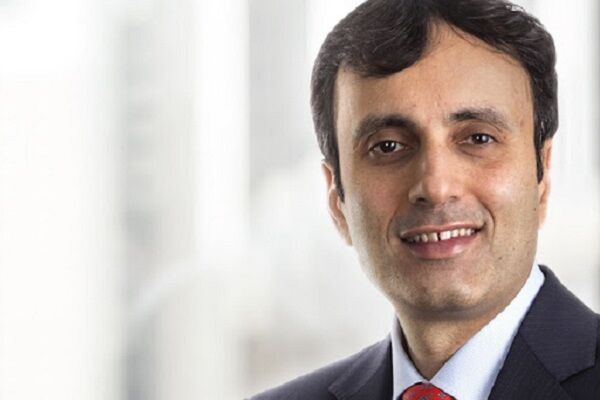
The countries of the Central and Eastern Europe region are an example of a very rare, rapid but sustained economic success. However, the West fails to recognize these achievements, focusing today on problems of a political nature. This is what Ruchir Sharma writes in a column for the British daily Financial Times. He is the main strategist at Morgan Stanley Investment Management – the investment arm of one of the largest investment banks in the world.
According to an expert from Morgan Stanley, observers and commentators from developed countries focus on political issues in Central and Eastern Europe. And they are concerned about the spread of "reactionary populism" in the countries of the region, especially Poland and Hungary.
However, by focusing on political problems, they overlook the economic success of the former Eastern bloc states. And these countries were among those who managed to gain the status of development within several decades after the war.
The advantage of our region, according to the author, is the strong presence of the industry in the structure of domestic production. This allows us to achieve constant income from exports.
The author also pays special attention to Poland. The average GDP growth rate in Poland in the last years since the transformation is 4 percent annually.
"It is unusual to have not even one year (before the pandemic) in which the pace of economic growth in Poland would be negative," Ruchir Sharma pointed out.
One of the reasons we owe this state of affairs is human capital. Sharma predicts that next year Poland – after Slovakia, the Czech Republic, Lithuania, and Latvia – will finally exceed the level of $17,000 per capita of GDP and thus will become the first since South Korea, a large country that will be classified as "developed economy".