In 2025, mental health-related absences in Poland translated into 34.1 million days away from work, 3.8 million more than the previous year. ZUS formally classifies this category as “mental and behavioral disorders,” but in practice it often reflects tension, exhaustion, difficulty recovering and, in many cases, professional burnout.
For companies, the message is clear: well-being is not an optional perk, but part of a strategy that supports employee health, organizational stability and team engagement.
A nationwide Multi.Life survey shows that 44% of adult Poles experience stress at least two to three times a week, while half feel stressed every day or almost every day. The main sources include too many responsibilities, lack of time, information overload, constant notifications and pressure from family, work or social obligations.
ZUS data also shows that sick leave is increasingly linked to mental strain or overload, including burnout related to excessive responsibilities, poor work-life balance and difficult workplace relationships.
“Companies should not replace the healthcare system or diagnose employees, but they can build a work environment that does not exacerbate overload and makes it easier to reach out for help,” says Izabela Nasiłowska-Włodarek, Business Development Director for Multi.Life at Benefit Systems. “This is not only a sign of responsible business, but also a way to reduce significant costs.”
More than sick leave
Absence is only part of the picture. The less visible issue is presenteeism: a situation in which an employee is physically present at work but, due to poorer well-being, stress or exhaustion, performs below their potential. Deloitte, analyzing the UK market, estimated that poor employee mental health costs British employers £51 billion a year, with presenteeism accounting for the largest share of that total, around £24 billion.
For companies, this requires a shift in perspective. The question is no longer only: “How many people were on sick leave?” It is also: “Do people have the resources to work well, healthily and sustainably?”
“Sick leave is visible in the system, but before an employee truly drops out of the daily rhythm, they often try to cope for a long time: answering emails, attending meetings and completing tasks, only with increasing effort,” says Prof. Andrzej Silczuk, psychiatrist and Head of Mental Care at Benefit Systems, Multi.Life. “That is why mental health support at work should not be treated only as a response to a crisis. What happens earlier matters: education, normalizing conversations about overload and easy access to a specialist.”
From declarations to practical support
“Taking care of people” should mean more than good intentions. It requires a culture that does not reinforce overload and practical tools employees can use when they need support. This also matters from an ESG perspective: responsible companies should not only respond to problems, but also reduce the negative impact of work on people’s well-being.
The gap is clear: 35% of Polish employees want to learn how to better care for their health and mental resilience, and 90% expect employers to support development, including psychological support. Yet Deloitte data shows that only 58% believe their employer has mental health procedures or tools in place. Benefit Systems has supported employee well-being for more than 20 years. Alongside MultiSport, its solutions include Multi.Life, a tool supporting physical health, mental health and development through expert consultations, educational content, preventive tests, medical consultations, language tools and personalized recommendations.
“The most important thing today is that support should not be scattered or difficult to activate, from the perspective of either the employer or the employee,” says Nasiłowska-Włodarek. “Employees should have simple access to different forms of help: from specialist consultations, education and prevention to tools that support everyday habits and build both hard and soft professional skills.”
Multi.Life users can choose goals such as stress reduction, improved concentration or relationship building, while the platform and AI assistant help match relevant content and support. They can also access a Therapy Care Coordinator, who helps them choose the right form of help and specialist from among 300 qualified consultants.
Well-being needs culture, not slogans
“Supporting employee well-being does not have to be only an intervention in a difficult moment,” says Prof. Silczuk. “It can mean education, prevention and building the language that allows employees and managers to talk about overload, recovery, emotions, feedback and cooperation. It is equally important to create an atmosphere of acceptance and safety for people experiencing mental health difficulties and to give them easy access to specialist support.”
This is what modern well-being is about: not a slogan in a presentation, but accessible, flexible support and a culture that helps people maintain the resources they need to work in a healthier and more sustainable way. For employees, it can be a first step toward better balance. For employers, it is a concrete way to build an organization that grows responsibly, with greater attention to people.
Meet the experts
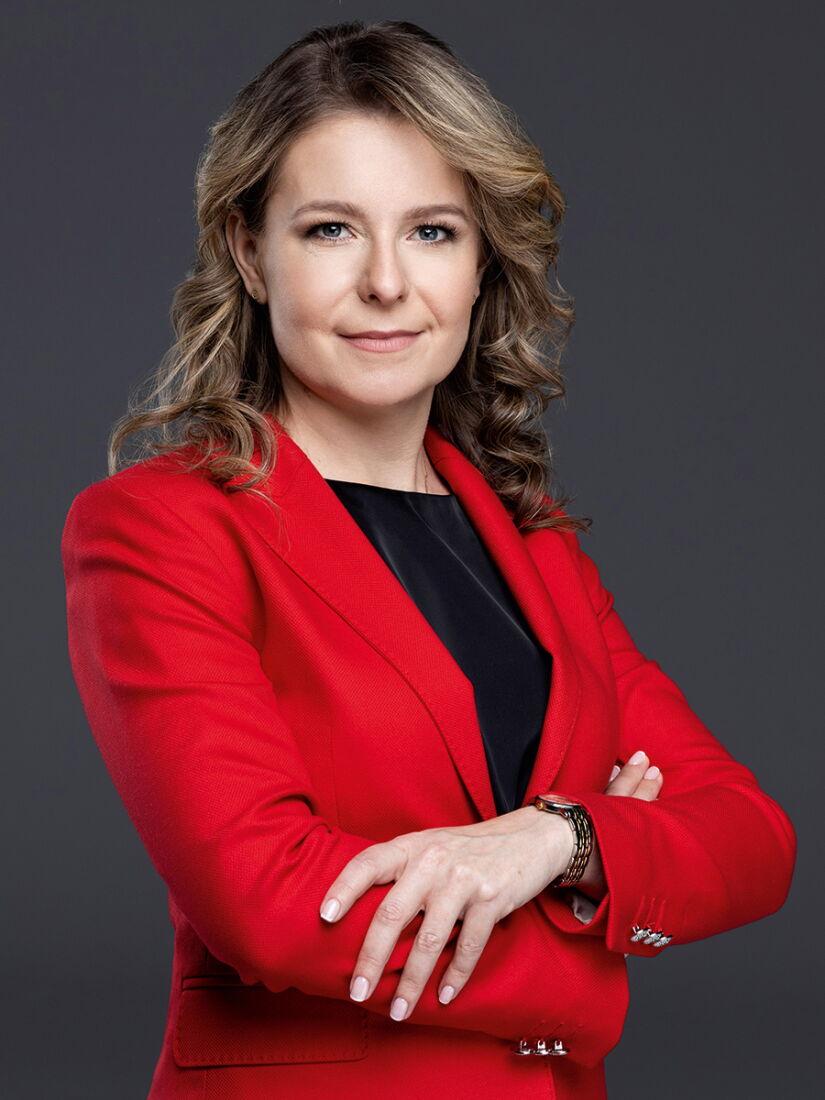
Izabela Nasiłowska-Włodarek
Business Development Director for Multi.Life at Benefit Systems, and an expert in sales and product development with more than 15 years of experience in growth strategies and customer service.
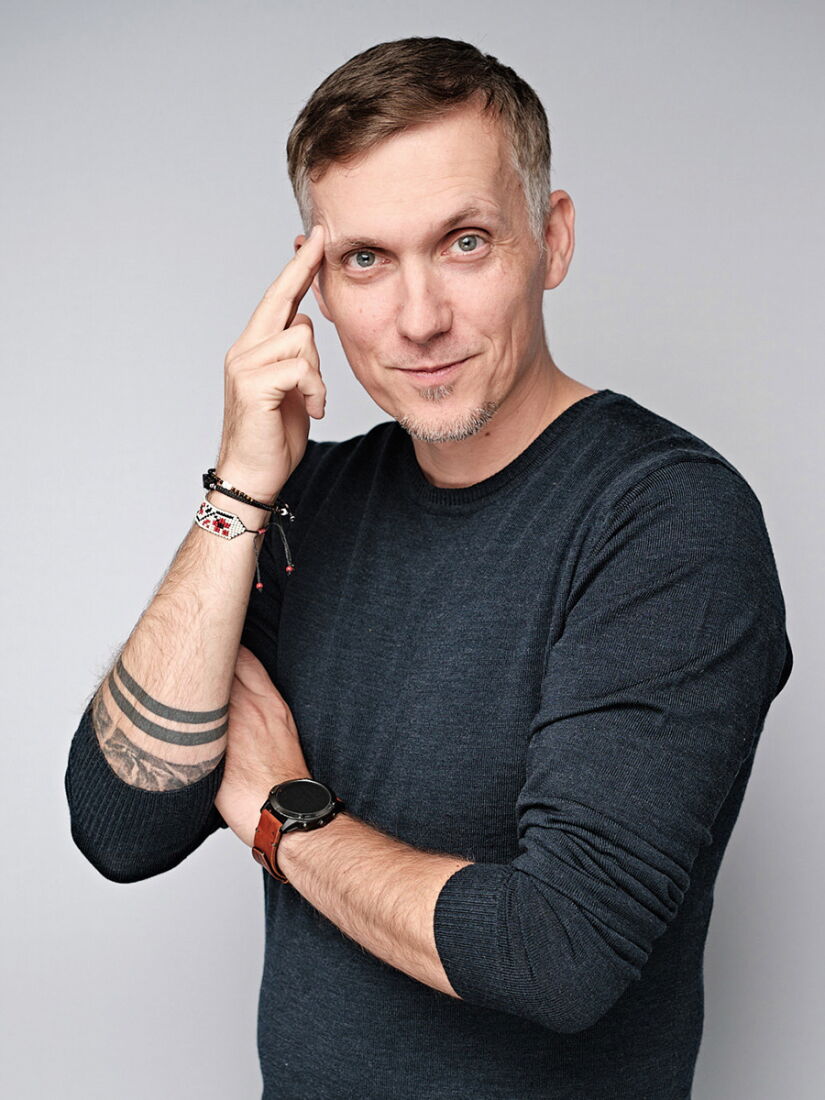
Prof. Andrzej Silczuk, MD, PhD
Psychiatrist, Head of Mental Health at Multi.Life, Head of the Department of Environmental Psychiatry at the Medical University of Warsaw, and member of the Mental Health Committee of the Polish Academy of Sciences.