Half of Poles afraid of more fraudulent loans
18:44
Social and professional life has moved to the internet through a coronavirus pandemic. Already 94 percent Poles use it at least once a day, often leaving their data online. This increases the risk of extortion and theft, and 40 percent of users have already encountered suspicious mailing. Despite this, more than half do not know and have never used services to protect against such threats.
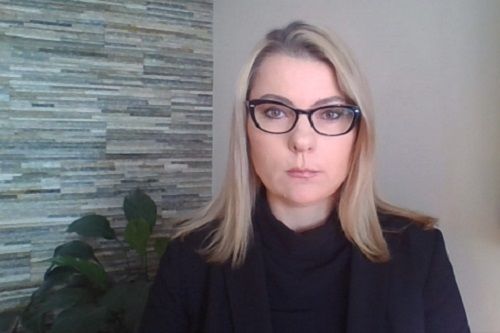
“During a pandemic, our lives moved to the internet – there we work remotely, shop and perform various online transactions. Criminals' activities also moved to the network. They are trying to acquire our data in an increasingly sophisticated way. Most often they do this by substituting fake websites for us, e.g. in emails or text messages. The stolen data can then be used to extort a loan or credit. Every week, we also unfortunately hear about new data leaks from various institutions,” Joanna Charlińska, sales director at the Retail Market Department at the Credit Information Bureau (BIK), said.
More than half of people feel that the current situation may lead to more fraudulent attempts at obtaining loans, loans and subscriptions. As much as 40 percent had contact with suspicious mailing, and 27 percent of them admits that they have occasionally received a suspicious email asking them to click a link or download a file.
BIK Alerts are one of the most popular tools that warns you about phishing scams using stolen data. This is an SMS or email notification that comes as soon as a request for a person's credit history appears in BIK. If the customer himself did not submit any applications for credit or loan, did not buy anything in installments or guaranteed the loan, then the appearance of an Alert may mean that someone is trying to take a loan on his data.
(Newseria)