Real estate investment enquiries down in Q4 2016, first drop since 2012 - RICS
20:29
The Q4 2016 Poland Commercial Property Monitor prepared by RICS points to the first drop in headline investment enquiries (measured in net balance terms) since 2012. Within this, demand was more or less flat for offices but declined in both the industrial and retail areas of the market. Foreign investment demand also weakened, with a decline reported across all sectors. Anecdotal evidence suggests changes to the real estate tax regime have contributed to this weaker backdrop.
The results of the report also point to occupier demand growth slowing for the second consecutive report. The breakdown shows that while demand continues to increase in the office and industrial sectors, demand for retail space is falling. Availability of leasable space continues to rise although the pace of increase eased slightly, relative to the previous report, in each area of the market. Nevertheless, supply growth continues to outpace that of demand in both the office and retail sectors. Continued strong growth in development starts was reported in the office sector, while construction activity was much flatter in the industrial and retail segments.
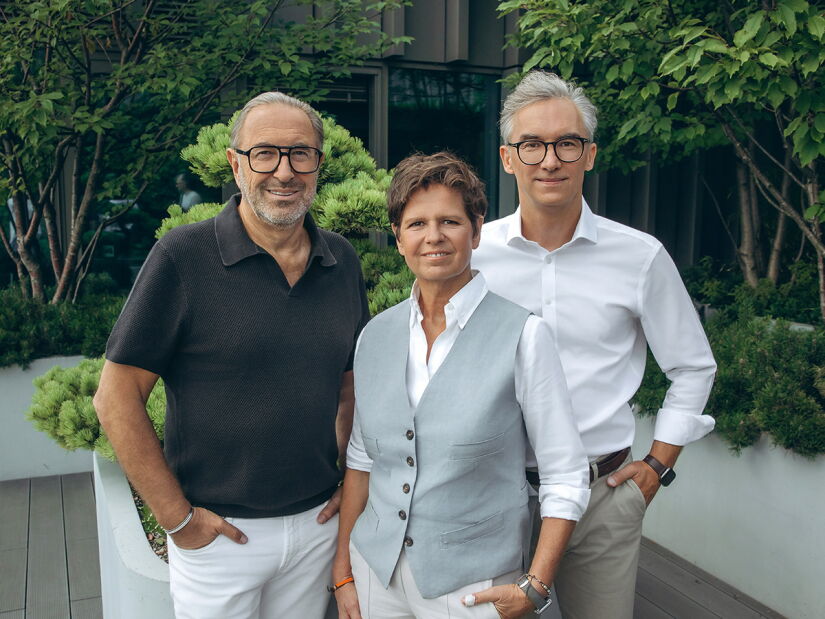
"The year 2016 brought record developer activity both in the office and the warehouse segment. Demand for office and warehouse space continues to be high, despite a slight increase in vacancies and stable rents. On the retail market, we are observing a slowdown, the activity of shopping mall owners has turned to revitalizations, modernizations and expansions. The stability and predictability of the investment environment will keep attracting foreign capital to the Polish market," said Monika Rajska-Wolińska, MRICS, managing partner at Colliers International in Poland.
Rent expectations remain negative across the office sector, with secondary locations projected to see steeper declines than prime areas. The prime retail area of the market is expected to see marginally positive growth. The Occupier Sentiment Index slipped to -13, from -6 in Q3, and continues to signal a slight deterioration in overall occupier market conditions.