Real estate maintains long-term appeal due to low interest rates
22:33
Europe’s property sector is in the midst of a cyclical downturn which is coinciding with long-term structural changes to real estate, according to the latest 18th edition of the Emerging Trends in Real Estate® Europe report by PwC and Urban Land Institute (ULI). However, real estate generally is seen as one of the few asset classes to generate acceptable returns at a time of low or negative interest rates.
Capital flows into the sector are also altering how funds can be deployed and there is a strong likelihood that domestic and European investors will play a much greater role in Europe. While a majority still expects Asian capital flowing into Europe to increase, this percentage is significantly lower than previous years, with interviewees citing the inability of overseas investors to visit a property in Europe before buying it.
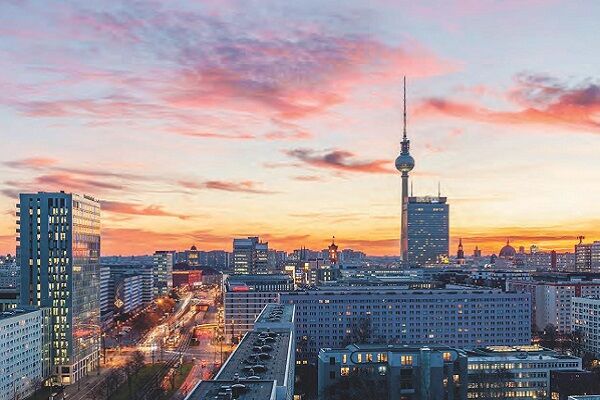
According to the report, Berlin tops rankings for overall real estate prospects, leading a strong showing from German cities that are demonstrating resilience amid Covid-19. London jumps two places to second as investors see it as good long-term value and Paris remains in the top three.
"Similarly to other sectors of the economy, the Covid-19 pandemic and its effects have a significant impact on the real estate market. Due to sanitary constraints, assets such as retail, hotels, and student housing recorded significant drops, while remote work forced by the lockdown initially introduced concerns about the future of offices. However, the logistics sector is doing very well, thanks to the popularity of e-commerce, as well as data centers driven by digitization. The life sciences industry continues to increase more attention both in Poland and worldwide. Despite short-term uncertainty, investors agree that this situation will accelerate previous trends such as innovation, environmental focus, and the influence of the built environment on people. It is all the more pleasing that Warsaw remains resilient and has maintained its position as the most attractive city from outside Western Europe for capital investments," Dorota Wysokińska-Kuzdra, chair of ULI Poland and member of ULI Europe Executive Committee, commented:
As many as 55 percent of investors expect to be net buyers of real estate in 2021, but the security of income in non-core assets is causing concern.
Data centers, logistics, and life sciences top the table for sector prospects, with traditional mainstay sectors struggling.
(WBJ)