19:11 19 August 2026
Shaping Nowy Wełnowiec Together
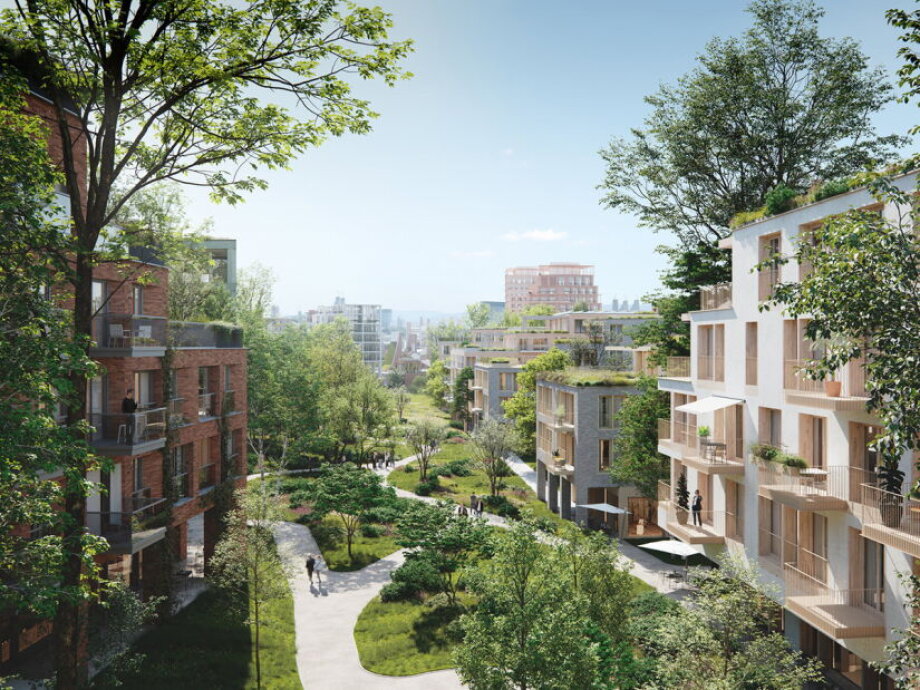









Capital Park Group has concluded the consultation process on the Nowy Wełnowiec project. Discussions with residents of Katowice and representatives from various communities have enabled the collection of opinions, needs, questions and recommendations regarding the future of this area. These have been summarised in a report, which will serve as a basis for further work on the project. The comments received will be analysed to determine how they can be incorporated into the subsequent stages of the planning and implementation of Nowy Wełnowiec.
The public consultation ran from 6 May 2025 to 26 June 2026. Its aim was to understand expectations regarding the future neighbourhood and to create a space for open discussion on what one of the largest regeneration projects currently underway in Poland should look like. Capital Park decided to carry out the consultation as part of a responsible approach to creating a new part of the city and a desire to take the local community’s perspective into account.
Representatives of various stakeholder groups took part in the consultations: residents of Wełnowiec-Józefowiec and neighbouring districts, as well as other parts of Katowice; community organisations; the Koszutka and Wełnowiec-Józefowiec neighbourhood councils; children in collaboration with the Ulica Foundation; local councillors; experts in urban planning and architecture; the Katowice City Council of Senior Citizens, the City Youth Council, and students from the Academy of Fine Arts in Katowice.
The dialogue took various forms – ranging from open meetings and workshops, through discussions with experts and students from the Academy of Fine Arts, to participation in local events and online consultations. Participants shared their views and ideas during events such as the Wełnowiec Days, a market day at the BioBazar organic market, the Silesian Fair, neighbourhood events and specially organised meetings dedicated to the future of Nowy Wełnowiec.
According to the report, residents viewed the opportunity to redevelop the derelict post-industrial site and return it to the city in a positive light. It was repeatedly emphasised that Nowy Wełnowiec could serve as a catalyst for the district’s further development and create a new space that meets the needs of Katowice’s current and future residents. One of the most frequently cited expectations was the creation of a space open to everyone – not only for the future residents of the development, but also for the local community. Among the needs raised were, above all, attractive communal and recreational spaces, sports facilities and areas suited to different age groups – children, young people, families and older people. Participants also highlighted the need to create spaces for local initiatives and cultural and social events, as well as to develop a range of services, retail F&B options that would meet the everyday needs of those living in or visiting this part of the city.
Much of the discussion centred on green spaces and the quality of public spaces. Residents pointed out that the future neighbourhood should offer not only places for rest, recreation and social interaction, but also solutions that support biodiversity and the city’s adaptation to climate change. Particular attention was paid to issues of water management, creating a favourable microclimate and reducing car dominance. The plan to allocate around 10 hectares of land to green and recreational spaces, including four hectares for the central park. In this context, other solutions envisaged in the project were also of particular importance, such as squares, open spaces, flower meadows, lawns, woodland areas and ponds, which are intended to create a diverse system of green spaces and spaces for relaxation.
Another key issue was the organisation of space with pedestrians and cyclists in mind. Participants emphasised the need for convenient and safe routes that would facilitate daily travel within the future neighbourhood. One response to these expectations is the solution adopted in the design, whereby car traffic will be completely relocated from public spaces to level -1. As a result, the ground-level area will be able to serve as a friendly, publicly accessible space – featuring greenery, meeting places and facilities that encourage active travel.
Residents also emphasised the need to preserve the local identity and industrial heritage of the site. Particular attention was paid to the future Compressor House – a historic building which will be preserved and revitalised as part of the project. Participants recognised its potential to become an open space serving social, cultural and educational activities, whilst also serving as a place that can preserve and bring the area’s history to life.
During the consultation, questions were also raised about how the development would affect the day-to-day functioning of the neighbourhood. Discussions centred, amongst other things, on traffic management, transport links, the number of parking spaces and public transport, as well as how the excavated soil from the Nowy Wełnowiec site would be managed. Another key aspect of the discussions was the preparation of the site for future development. The project team and invited experts provided information on the environmental studies being carried out, the planned preparatory works and the measures designed to minimise the project’s potential impact on the immediate surroundings.
Nowy Wełnowiec is also being developed in accordance with BREEAM Communities standards – one of the most rigorous international assessment systems for sustainable urban development projects. The certification involves a comprehensive assessment of the planned development, including environmental, social and spatial solutions, as well as its impact on the surrounding area. One element of the preparatory work is also dialogue with stakeholders, which enables a better understanding of local expectations and circumstances.
Nowy Wełnowiec has already been awarded BREEAM Communities Interim certification, confirming the project’s compliance with high standards relating to, amongst other things, sustainable development, quality of space and community engagement. The project was the first mixed-use development of this scale in Poland to successfully pass the BREEAM Communities pre-certification process.
UrbanKGK, a firm specialising in participatory processes and the analysis of a development’s social context, was responsible for preparing and conducting the consultation process. The Capital Park Group team was also involved in the process, including those responsible for project management, as well as architects from the JEMS Architekci – the designers behind Nowy Wełnowiec urban concept – and experts from Investeko, who are supporting the project on environmental issues and site preparation.
Nowy Wełnowiec project is now entering its next phase of development. The entire project has been divided into four areas, which will be developed in stages. The central, 7-hectare section of the development will be developed first. Ultimately, this area will feature residential units, services, retail, F&B, educational and leisure facilities, as well as part of the central park.
Capital Park Group is currently beginning the process of selecting a general contractor for the first stage of the project. This will involve the construction of the first three residential buildings, comprising over 230 flats, along with the necessary supporting infrastructure, as well as the renovation of the historic former Compressor House, which, in the first phase of the project, will serve as an office nd sales centre, and a venue for activities for the local community. The developer aims to finalise the selection of the contractor by the end of 2026, and then proceed with the construction work.