Tenants can fight for reduction in rent: legal counsel
18:21
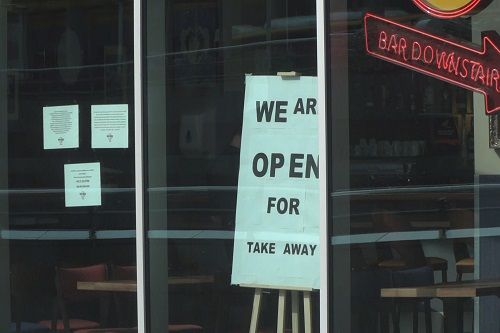
According to Łukasz Pogonowski, Legal Counsel, and a lecturer at the Wrocław School of Banking, few premises lease agreements assumed such extraordinary situations as a coronavirus pandemic. Problems are both landlords and tenants who face operating restrictions, loss of income, and inability to pay rents.
“This may cause a flood of lawsuits referring to the clause of extraordinary relations change,” Pogonowski emphasized.
However, the court path does not have to be the only way out. Increasingly, landlords and tenants sit at the negotiating table to survive this difficult time. This also applies to other contracts.
“Many entrepreneurs cannot operate normally and do not generate revenues from it due to restrictions and bans introduced by the authorities during the fight against a pandemic. For this group of companies, the fulfillment of lease contracts and paying the rent in full would threaten a gross loss and would entail great difficulties. Therefore, entrepreneurs negotiate with landlords. In the event of disagreement, a tenant operating particularly vulnerable to the current crisis may bring an action against the landlord with the so-called clause rebus sic stantibus, demanding a change in the amount of rent during the ongoing pandemic,” Pogonowski, said
Art. 357 index 1 of the Civil Code, i.e. the rebus sic stantibus clause is simply an extraordinary change of circumstances clause in Polish law. It means that in an extraordinary situation - which neither party was able to foresee - the contract can be changed or terminated at the request of the party for whom the performance would entail great difficulties and would cause a gross loss.
(Newseria)