Polish politicians at forefront of Europe in terms of earnings in relation to minimum wage
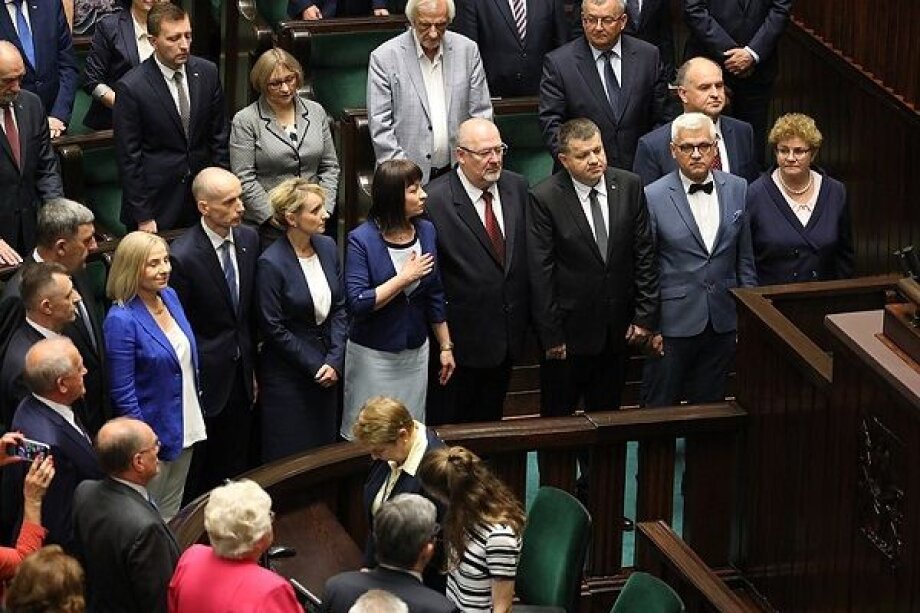










On July 30, President Andrzej Duda signed an ordinance on the remuneration of employees of state institutions, according to which MPs will earn up to PLN 6,000 more. As much as 84 percent of Poles surveyed are against the increases.
According to the regulation, Polish deputies and senators will now earn PLN 12,800, which is four times more than the minimum wage, and the prime minister and speakers of both houses of parliament as much as five times more.
French MPs earn almost three times the minimum wage. Their earnings are over €7,000 when the minimum wage is €2,200. In addition, members of the National Assembly receive €9,000 of the parliamentary allowance from which they have to support their office and its employees. In addition, every parliamentarian in France has the right to travel by the first-class rail for free.
There is a slight disproportion in earnings in Denmark and Great Britain. Danes earn a minimum of DKK 40,000, and Danish parliamentarians approx. DKK 58,000. The salary of members of the British parliament is £6,827, and the minimum wage is only 2 times lower, i.e. approx. £3,000. Slovak MPs earn relatively much. Their salary is over €3,500, while average earnings in Slovakia hover around €800. Hungarians earn an average of HUF 303,000, which is approx. €857 after conversion. The salaries of Hungarian MPs do not exceed €3,000.
Italian senators and deputies receive record-high salaries. The earnings of members of the lower house of the Italian Parliament amount to €13,900 per month, i.e. the 7 times the amount of the minimum wage in Italy. Senators earn €14,600, which is almost 8 times more than ordinary citizens.
In turn, parliamentarians from our western neighbors earn just over €10,000 gross, approx. PLN 45,000 per month. The average German worker can count on €3,975 euros. A parliamentarian earns roughly 2.5 times more than an ordinary German worker.