11:17 5 May 2026
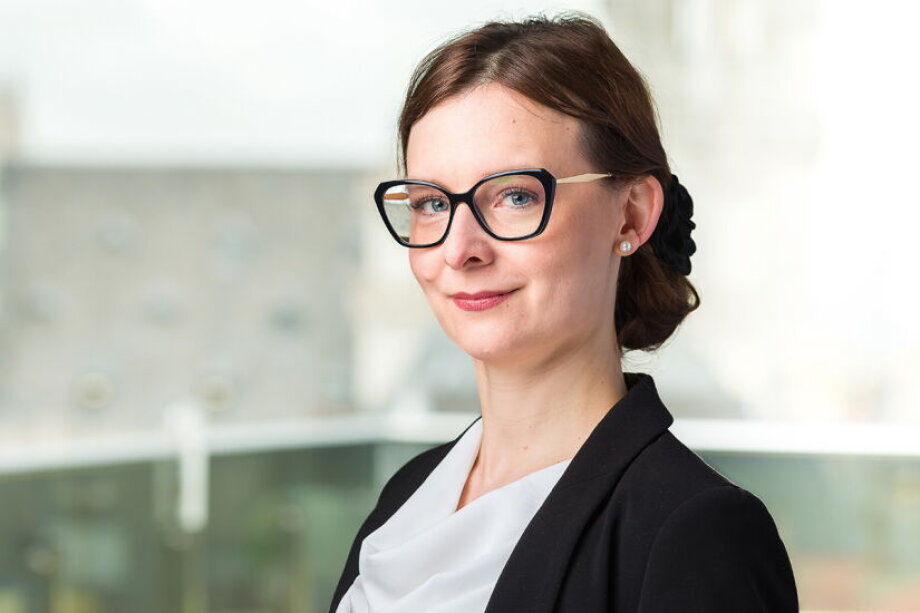
Civitta Poland, Agnieszka Matłoka Associate Partner Sustainability
Those invited to the table decide outcomes











Those invited to the table decide outcomes
WBJ: You have built your career at the intersection of business strategy, ESG, and transformation. What key experiences most shaped your path into this field?
Agnieszka Matłoka: My path has been shaped by working closely with organizations at moments of real transition, when strategy had to move beyond financial performance and start reflecting broader responsibilities.
My early exposure to transformation projects, where culture, governance, and long-term value creation were equally important, made me realize that ESG is not a separate agenda, but a natural evolution of good business. Another defining experience was working with leaders who were willing to challenge short-term thinking and embed sustainability into core decision-making. That combination of strategy and purpose became the foundation of my professional focus.
You have contributed to ESG transformation at both strategic and operational levels, including co-authoring ESG reporting guidelines. Which achievement has been most meaningful to you, and what did it teach you about driving real change?
The most meaningful work has been supporting organizations in moving from “reporting ESG” to “managing through ESG.” Co-authoring reporting guidelines was important, but what truly stands out is seeing companies translate those frameworks into real operational decisions, changing processes, incentives, and leadership accountability.
It taught me that frameworks and regulations are only catalysts; real change happens when ESG becomes part of everyday decision-making and when people across the organization understand their role in it.
Your work focuses on governance and responsible leadership. What does effective leadership look like today, and how do diversity and inclusion strengthen organizations?
Effective leadership today requires the ability to navigate complexity, balance competing priorities, and take responsibility for long-term impact. It is less about control and more about creating clarity, trust, and direction in uncertain environments.
Diversity and inclusion are critical because they expand the range of perspectives in decision-making. Organizations that embrace diverse viewpoints are better equipped to anticipate risks, innovate, and respond to stakeholder expectations. Inclusion ensures that diversity translates into real value rather than remaining symbolic.
You are actively involved in creating spaces for dialogue and collaboration. How important are support networks among women, and how can leaders actively foster them?
Support networks among women are essential; they provide not only mentorship and inspiration but also practical opportunities for collaboration and visibility. These networks help build confidence and accelerate leadership development. Leaders can foster them by creating intentional spaces for exchange, supporting cross-organizational initiatives, and actively promoting diverse voices in decision-making forums.
It is not only about formal programs but also about everyday behaviors, like who is invited to the table, whose voice is heard, and who is supported in taking the next step.
As ESG becomes central to business strategy, do you see women playing a distinct role in driving these changes? If so, what perspectives do they bring?
Rather than attributing ESG progress to gender alone, I would highlight that many women leaders bring a strong orientation toward collaboration, long-term thinking, and stakeholder awareness – qualities that are highly aligned with ESG transformation.
They often emphasize the interconnectedness between business, society, and the environment. These perspectives help organizations move from siloed thinking to more integrated, systemic approaches to value creation.
Many organizations still treat ESG as a reporting exercise. What distinguishes those that truly embed it into their strategy and operations?
Organizations that truly embed ESG start with leadership commitment and translate it into clear strategic priorities. They integrate ESG into governance structures, performance metrics, and incentive systems. Importantly, they connect ESG goals with business outcomes, whether through innovation, risk management, or operational efficiency. Another distinguishing factor is ownership: ESG is not confined to a single team but is distributed across functions, with clear accountability at every level.
In the context of sustainability, well-being, and resilience, what will define successful organizations in the next decade?
Successful organizations will be those that can balance performance with purpose and adaptability with stability. They will treat sustainability as a driver of innovation, not a constraint. They will invest in people, recognizing that wellbeing and engagement are critical to resilience. And they will build governance models that allow them to respond quickly to change while staying anchored in long-term values. Ultimately, success will be defined by the ability to create lasting value for both the business and its broader ecosystem.
Agnieszka Matłoka is an Associate Partner, Sustainability at Civitta, specializing in ESG strategy, organizational transformation, and sustainable business models. She has advised companies and institutions across Central and Eastern Europe on integrating sustainability into their core operations, with expertise spanning non-financial reporting, decarbonization, and change management. Her work focuses on aligning business performance with long-term environmental and social impact. A frequent speaker and mentor, she contributes to discussions on responsible leadership, diversity, and the evolving role of ESG in shaping resilient organizations.